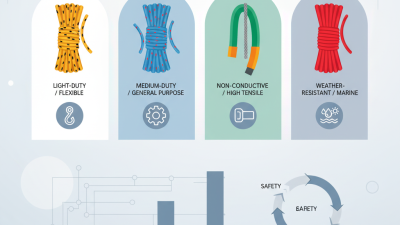
Global electrical work is entering a busier, more demanding cycle. The International Energy Agency’s Electricity 2024 report projects average global electricity-demand growth of about 3.2% annually from 2024 to 2026. This expansion supports new buildings, data centers, renewable-energy projects, and network upgrades. Each installation still depends on small, practical equipment, including wire fishing tools.
Professional buyers need more than a long product list. They need tools that perform inside crowded conduits, narrow wall cavities, and uneven cable trays. A fiberglass fish tape should resist splitting after repeated bends. A pulling grip should hold firmly without damaging insulation. In wet or dusty locations, material choice matters. The wrong reel can waste an entire morning.
Industry research supports this purchasing pressure. Grand View Research’s electrical conduit market analysis identifies construction growth and infrastructure renewal as major demand drivers. Fortune Business Insights also reports continued expansion in the global wires and cables market, linked to electrification and renewable-energy investment. These reports describe broad markets, not every tool purchase. That limitation matters.
This 2026 guide compares wire fishing tools for global buyers through practical criteria: pulling distance, flexibility, load control, storage, repairability, and supplier documentation. It also considers compatibility with common conduit systems and regional job-site conditions. IEC standards and local electrical codes should guide final selection, because a tool suitable for one market may not suit another.
Real work is less tidy than a catalog photo. Dust enters reels. Handles loosen. Labels disappear. Buyers should question optimistic specifications and request test evidence. No tool is perfect. The best choice balances verified performance, safe handling, total cost, and dependable after-sales support.
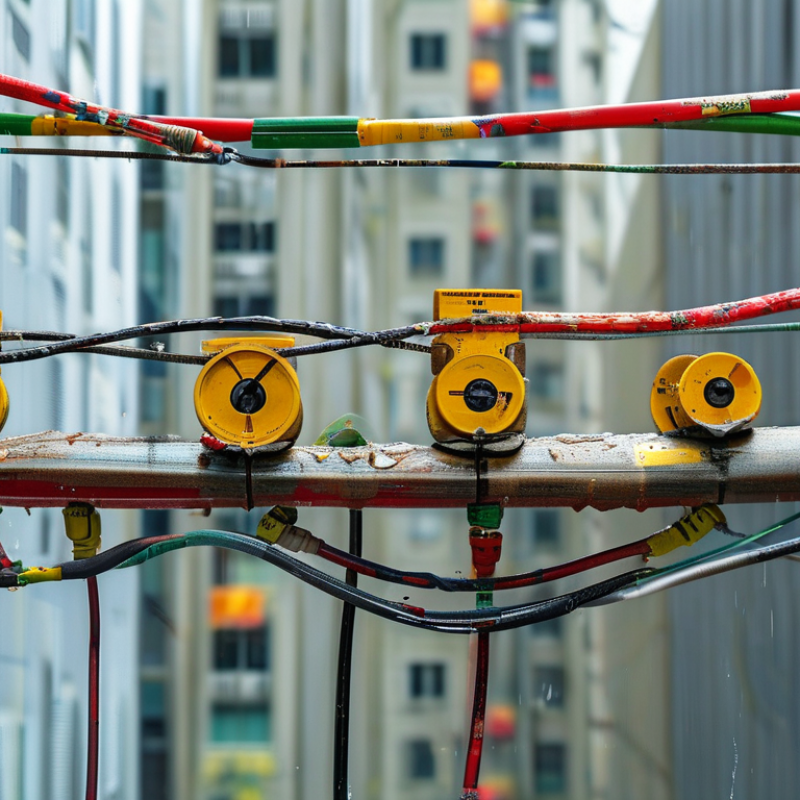
Wire fishing tools help installers guide cables through walls, ceilings, conduits, and narrow spaces. They do not carry electrical power themselves. Instead, they create a controlled path for pulling or pushing wire.
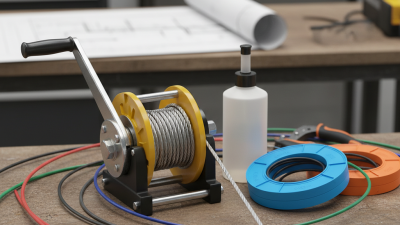
A fish tape uses a flexible steel or fiberglass strip. Its curved tip travels through a conduit or wall cavity. After reaching the exit point, the installer attaches the cable to its eyelet and pulls it back.
Fish rods work differently. Their connected sections push a cable across open ceilings or insulated spaces. Some kits include magnetic guides, glow tips, or pulling grips for better visibility and control.
The right tool depends on distance, bends, surface material, and cable weight.
Tips: Check the tool’s length and flexibility before buying. Steel handles long conduit runs well, while fiberglass reduces conductivity concerns.
Use a proper pulling lubricant when friction becomes heavy. Protect cable ends with smooth tape. Never force a stuck line. It may damage insulation or hide a sharp obstruction.
I have found that estimating cable tension is difficult, especially inside crowded conduits. A stronger pull is not always better.
Review local electrical requirements and confirm the tool suits the cable type. Some low-cost tools work well, but their tips can loosen after repeated use.
That small detail deserves attention.
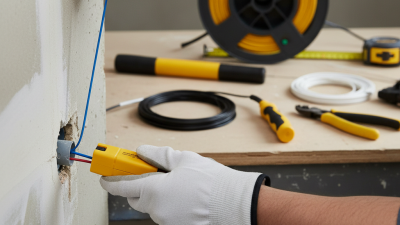
2026 Best Wire Fishing Tools for Global Buyers?
Wire fishing tools vary by route length, surface, and cable weight. Fish tape suits straight conduit runs with moderate bends. Steel tape offers stiffness, while fiberglass tape reduces electrical conductivity concerns. However, fiberglass can splinter after rough handling. That detail is easy to overlook.
For wall cavities and ceilings, flexible fish rods provide better control. Their threaded ends can carry hooks, loops, or small magnets. Short rods work well behind drywall, while longer sections reach across suspended ceilings. Magnetic retrieval tools help locate metal objects in enclosed spaces. They are useful, but not reliable through thick insulation or dense masonry.
Pulling cables through long ducts requires stronger equipment. A pull string with a weighted nose can pass through empty conduit. For larger routes, a cable pulling grip distributes tension around the cable jacket. Never judge capacity by appearance alone; check the tool’s rated load and the cable manufacturer’s limits. I once used a rigid tape on a tight bend and wasted considerable time. A slimmer tool would have worked better. Buyers should compare duct diameter, bend radius, tool material, storage conditions, and local safety requirements. Wet or dusty sites may also demand corrosion-resistant parts and easier cleaning. 和盛
Choosing a wire fishing tool requires more than checking its advertised pulling strength. The tool should match the cable type, conduit length, bend radius, and working environment. A flexible fish tape helps in tight bends, while a stiffer rod works better through long, open conduit. Measure the cable diameter first. A crowded conduit can make an otherwise strong tool useless.
Material matters under real job conditions. Fiberglass resists rust and provides useful flexibility, while steel can offer greater pushing force. Look for a smooth surface, a secure eyelet, and a handle that remains comfortable with wet gloves. The reel should unwind evenly and lock without sudden movement. Small details matter.
I once selected a tool mainly because its rating looked impressive. It performed poorly around several sharp bends. That mistake changed my checklist. I now test the tip, inspect the reel, and confirm the tool’s usable length before purchase. A visible pulling tip can save time in dark conduit. A compact case also protects the tape during transport. However, no tool solves every installation problem. Buyers should compare repair options, replacement parts, temperature limits, and cleaning requirements. Product instructions and applicable workplace safety rules deserve a careful review. Testing a sample under realistic conditions is still more reliable than trusting a sales chart.
Safe wire fishing starts before the tool touches the wall. OSHA 1910.333 requires exposed energized parts to be de-energized before work, unless strict exceptions apply. Switch off the circuit, isolate it, and verify zero voltage with a properly rated tester. Do not trust a wall switch alone. It may control the wrong circuit.
NFPA’s electrical distribution report recorded about 32,000 related home fires annually during its five-year study period. That figure makes simple preparation worthwhile. Inspect fish tape, rods, reels, and handles for cracks, sharp edges, or damaged insulation. Use nonconductive rods near uncertain wiring, while wearing eye protection and suitable gloves. Feed the tool slowly through a clear path. Never force it around resistance. Stop when it catches.
Pull cables with steady pressure and respect the cable’s rated pulling tension. A little compatible lubricant can reduce friction, but excessive lubricant creates a slippery, messy job. Keep fingers away from pinch points near reels and entry holes. Mark both cable ends immediately, especially in crowded cabinets. It sounds minor.
For global projects, compare the method with local electrical codes and IEC 60364-based requirements. Tool ratings, insulation expectations, and installation rules can differ. I have found that rushing the final pull causes more damage than the initial routing. Rechecking the path often saves time, although experienced installers still miss things. Use a second person when visibility is poor, and document the circuit condition before closing the wall.
Global buyers should judge wire fishing tools by measurable performance, not catalogue photos. Fortune Business Insights reported that the global wire and cable market reached about USD 216.6 billion in 2023. This expanding installation base increases demand for reliable pulling equipment. Check rod diameter, bending radius, tensile strength, and handle grip. Ask suppliers for test records, material certificates, and batch traceability. A smooth fiberglass rod should pass a 90-degree conduit bend without splintering or permanent deformation.
Standards also affect purchasing decisions. Confirm compatibility with IEC 61386 conduit requirements where applicable. For electrical installations, request RoHS and REACH declarations for restricted substances. ISO 9001 certification can indicate controlled production, but it does not prove tool durability. Independent tensile and abrasion tests matter more. The International Trade Centre’s Trade Map helps buyers compare export origins, tariff codes, and supplier concentration. However, classifications can vary between countries. Verify them with a customs professional.
Tips: Compare landed cost, not unit price. Include freight, duties, inspection, spare parts, and rejected samples. Request three production samples before a large order. Measure pulling force with a calibrated gauge. In field use, dirt often damages threads faster than heavy loads. That detail is easy to miss. I would also reject vague claims such as “industrial grade.” They sound reassuring, but they lack evidence. A supplier offering clear tolerances may deserve preference, even with a slightly higher quotation.
The chart shows indicative wholesale purchasing ranges in USD per unit or set. Actual costs vary by material, working length, order quantity, packaging, testing, and destination market.
Buyers should verify product specifications, tensile strength, insulation and material safety, as well as applicable requirements such as RoHS, REACH, CE marking, or local electrical-tool regulations before ordering.