What is an Auto Belt Tensioner and How Does it Work?
The Auto Belt Tensioner is a crucial component in modern vehicles. It plays a key role in maintaining proper belt tension for effective engine functionality. According to a report from Market Research Future, the automotive belt tensioner market is expected to grow at a compound annual growth rate (CAGR) of 4.5% from 2021 to 2028. This growth reflects the increasing demand for efficient and reliable engine components.
Understanding how an Auto Belt Tensioner works can help vehicle owners appreciate its significance. These devices automatically adjust the tension of the drive belts, which reduces the risk of slippage and wear. A study by the Society of Automotive Engineers indicates that improper belt tension can lead to a 15% decrease in engine efficiency over time. This highlights the need for timely maintenance and checks.
Yet, the reliance on Auto Belt Tensioners is not without concerns. They can malfunction, leading to potential engine issues and increased repair costs. The tensioner’s lifespan is subject to various factors, including wear and driving conditions. Vehicle owners and technicians must monitor these components closely to ensure they function effectively and avoid costly repairs.
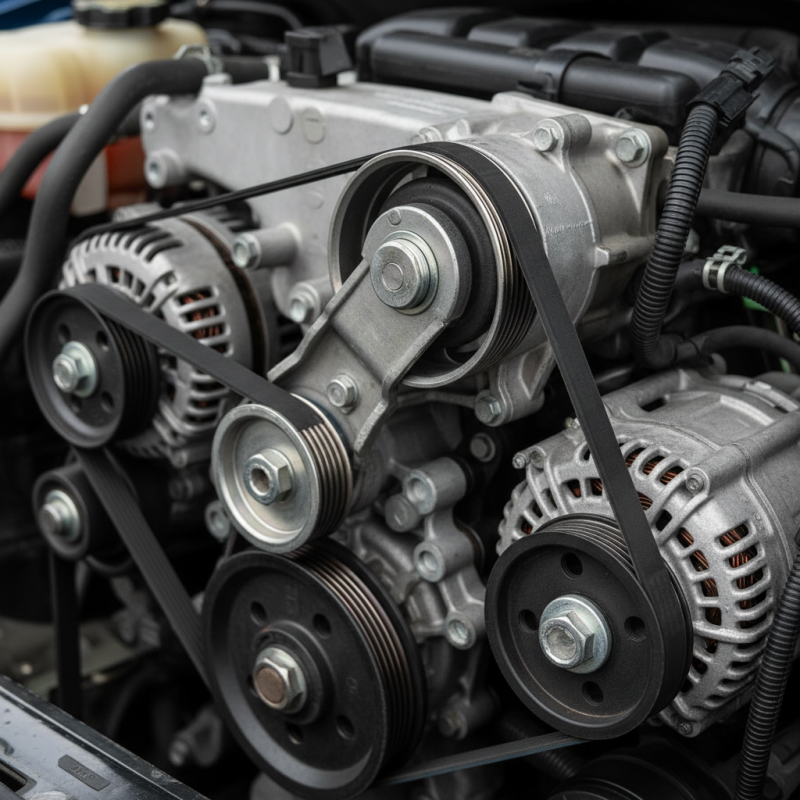
What is an Auto Belt Tensioner?
An auto belt tensioner is a vital component in a vehicle's accessory drive system. Its primary role is to maintain proper tension on the serpentine belt. This belt powers various engine accessories, including the alternator and power steering pump. When the belt is too loose, it can slip or wear out quickly, leading to costly repairs.
Tensioners typically use a spring-loaded mechanism to automatically adjust the belt's tightness. As the belt wears and stretches, the tensioner compensates for this change. This automatic adjustment helps ensure optimal performance and efficiency. Some tensioners feature hydraulic dampers to reduce vibration and noise. These details might seem small, but they significantly impact overall vehicle performance.
However, not all tensioners are created equally. Some may wear out prematurely or fail to maintain proper tension. Regular inspection of the tensioner can prevent future problems. Drivers should be aware of any unusual noises or changes in belt performance. Keeping an eye on these aspects is crucial for vehicle maintenance. Identifying early signs can save time and money in the long run.
The Importance of Belt Tension in Automotive Systems
Belt tension plays a crucial role in the efficiency and longevity of automotive systems. Proper tension allows a vehicle's alternator, power steering pump, and water pump to operate optimally. According to the Automotive Research Center, inadequate belt tension can reduce engine performance by up to 30%. This highlights the importance of maintaining the right tension in belt systems.
An auto belt tensioner is vital for maintaining consistent tension. It automatically adjusts the tension on the belt based on engine vibration and load changes. If the tension is too loose, belts can slip, leading to increased wear. Conversely, excessive tension can cause premature component failure. In fact, the Society of Automotive Engineers found that roughly 25% of belt-related failures stem from improper tension settings.
Regular inspection of belt tensioners is essential. Mechanics often overlook this component, leading to avoidable repairs. A well-functioning tensioner contributes to efficient engine operation. Neglect can result in significant repair costs. Industry studies show that routine maintenance can extend the lifespan of belts and tied components by up to 50%. Without attention to belt tension, costly issues may arise, underscoring the need for diligence in automotive maintenance practices.
How Auto Belt Tensioners Function Mechanically
An auto belt tensioner is essential for maintaining proper tension in a vehicle's accessory belts. These belts drive various components like alternators, water pumps, and air conditioning systems. A well-functioning tensioner ensures that belts remain snug, preventing slippage and wear.
Mechanically, the auto belt tensioner operates through a spring-loaded system. The spring keeps the tensioner pressed against the belt, adjusting as the belt stretches over time. As the engine runs, the moving components cause vibrations. The tensioner absorbs these vibrations, ensuring smooth operation. It reacts to changes quickly, stabilizing belt tension in real time.
Over time, tensioners can wear out. A worn-out tensioner may fail to provide adequate tension. This can lead to squeaking sounds or even belt failure. Regular inspections can help identify these issues early, avoiding costly repairs. Observation is key; a tight belt may not always mean everything is fine. Understanding how these mechanisms work can help in managing vehicle maintenance effectively.
Types of Auto Belt Tensioners and Their Applications
Auto belt tensioners are essential components in modern vehicles. They maintain the optimal tension of serpentine belts and timing belts. These tensioners come in various types, each suited for specific applications. Understanding these types can aid in vehicle maintenance and performance.
One common type is the spring-loaded tensioner. It uses a spring mechanism to apply constant pressure on the belt. This design is effective for both high-performance and standard engines. Another type is the hydraulic tensioner. It utilizes hydraulic fluid to adjust tension automatically as the belt wears. Hydraulic tensioners offer greater adaptability but may require more maintenance over time.
There are also fixed tensioners that do not allow for adjustments. They are simpler but may lead to quicker belt wear. Each type has its pros and cons. When choosing or replacing a tensioner, consider the engine specifications and driving conditions. Proper installation and adjustment are crucial for longevity. Regular inspections can prevent potential issues. This reflection on different tensioners emphasizes their role in vehicle reliability.
Common Issues and Maintenance for Auto Belt Tensioners
Auto belt tensioners play a crucial role in ensuring optimal performance of a vehicle's accessory drive system. They maintain the proper tension on the engine belts. However, like any mechanical component, they can experience issues over time. Common problems include wear and tear, which can lead to belt slippage or squeaking noises. According to industry reports, belt tensioner failures account for approximately 20% of accessory drive system issues.
Regular maintenance is essential to prolong the life of an auto belt tensioner. It's recommended to inspect tensioners every 30,000 miles or during routine engine service. Look for signs of cracking or oil leaks, which can indicate that the tensioner is failing. Research indicates that timely replacements can prevent larger, more expensive engine repairs down the line. Many vehicle owners overlook this critical maintenance step, leading to potential performance issues.
Tensioner replacement is not always straightforward. Mechanics often find that insufficient diagnostic practices can lead to misdiagnrosis of the issues. If you're unsure about the state of your auto belt tensioner, consulting with a certified professional can save you from costly repairs in the future. Accurate diagnosis paired with regular inspections can improve your vehicle’s longevity and reliability.
What is an Auto Belt Tensioner and How Does it Work? - Common Issues and Maintenance for Auto Belt Tensioners
| Aspect | Details |
| Function | Maintains proper tension on the serpentine belt to prevent slippage and wear. |
| Components | Includes a pulley, a spring mechanism, and a tensioning arm. |
| Common Issues | Belt slippage, squeaking noises, uneven wear on the belt, and tensioner failure. |
| Signs of Failure | Belt noise, visible wear on the belt, and engine performance issues. |
| Maintenance Tips | Regularly inspect the belt and tensioner, replace worn belts, and ensure proper alignment. |
| Lifespan | Typically lasts between 70,000 to 100,000 miles, but can vary based on conditions. |

