Best 10 Wire Cable Tray Solutions for Your Electrical Needs?
When it comes to choosing the right solutions for managing electrical cables, a wire cable tray is essential. According to John Smith, an expert in electrical infrastructure, “A well-designed wire cable tray can streamline installations and improve safety.” His insight reflects a common challenge in the industry—selecting the best options from numerous products.
Wire cable trays come in various materials and designs. Each offers unique benefits and limitations. For example, steel trays are durable but heavy, while fiberglass options are lightweight but less resilient. Evaluating these characteristics is crucial for optimal performance. The decision-making process can be tricky, as each choice impacts installation and maintenance.
It's easy to overlook important details. Many professionals rush through selections, leading to poor outcomes. A careful assessment of your specific needs can prevent future issues. Understanding the intended application affects both function and safety standards. Engaging with industry experts can guide you in making informed decisions moving forward.
Understanding Wire Cable Trays: Basics and Benefits for Electrical Systems
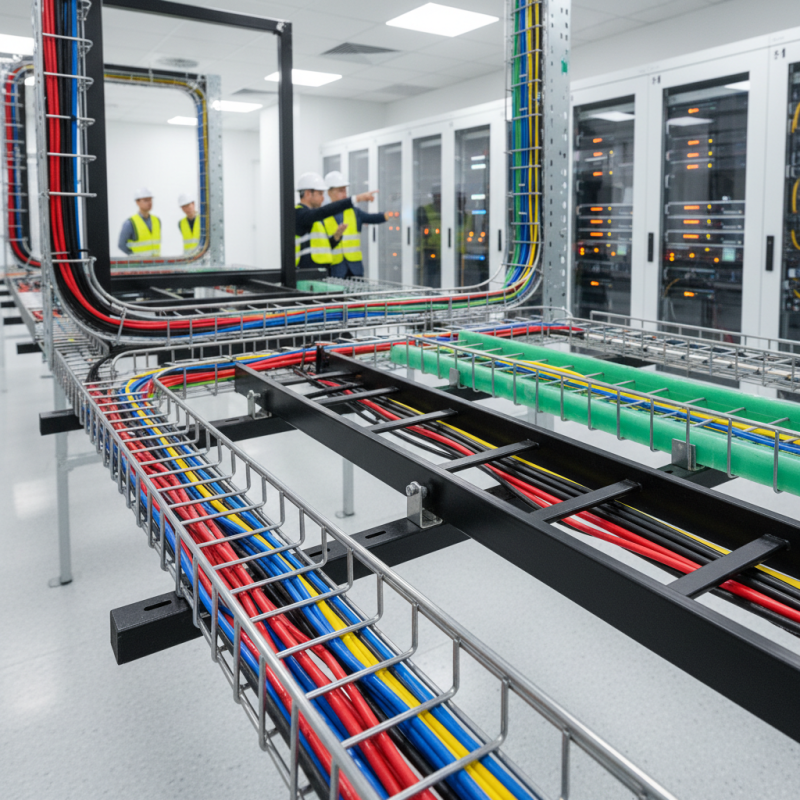
Wire cable trays play a vital role in electrical systems. They provide a structured way to manage electrical wires. This helps reduce clutter and improves system organization. A well-organized system enhances safety, ensuring cables are protected from damage. Proper management also makes it easier to identify issues during maintenance.
Using cable trays can streamline your project. They come in various materials, like metal or plastic. Choose a type that suits your environment. Make sure the tray's load capacity meets your needs. This ensures durability and serviceability. Proper installation is key. Avoid misalignment and overloading, which can lead to potential hazards.
Tips: Regularly inspect your cable trays for wear. Look for signs of rust or damage. Also, keep them clear of debris. This simple step can prevent costly repairs later. Consider consulting an electrician for complex setups. They can provide insights to optimize your cable management strategy. It may feel intimidating, but the right approach can save time and resources.
Best 10 Wire Cable Tray Solutions for Your Electrical Needs
| No. |
Type |
Material |
Load Capacity (lbs) |
Width (inches) |
Height (inches) |
Finish |
| 1 |
Ladder Tray |
Steel |
1500 |
12 |
4 |
Galvanized |
| 2 |
Solid Bottom Tray |
Aluminum |
1200 |
10 |
3 |
Anodized |
| 3 |
Wire Mesh Tray |
Steel |
1000 |
8 |
2 |
Powder Coated |
| 4 |
Cable Ladder |
Fiberglass |
800 |
14 |
5 |
N/A |
| 5 |
Trunking Tray |
PVC |
600 |
12 |
6 |
Smooth Finish |
| 6 |
Perforated Tray |
Steel |
700 |
10 |
3 |
Hot-Dipped Galvanized |
| 7 |
Raceway Tray |
Aluminum |
550 |
6 |
4 |
Natural Finish |
| 8 |
Bendable Tray |
Steel |
900 |
10 |
2 |
Galvanized |
| 9 |
Grounding Tray |
Copper |
650 |
8 |
3 |
Brass Finish |
| 10 |
Support Tray |
Fiberglass |
400 |
6 |
2 |
N/A |
Types of Wire Cable Trays: A Comparative Overview of Options Available
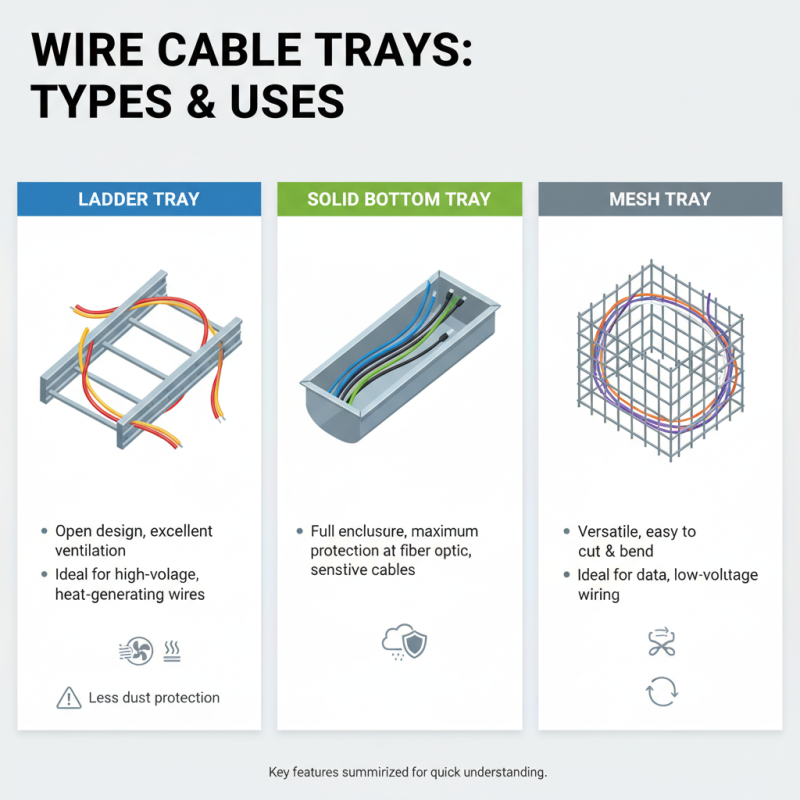
When considering wire cable trays, it's essential to understand the various types available. The most common are ladder trays, which provide excellent ventilation. They are open, allowing heat dissipation. This is ideal for high-voltage wires. However, they may not protect against dust.
Another option is the basket tray. This design offers easy access and is perfect for a tidy installation. It minimizes clutter while allowing for easy changes. Yet, the open design may expose cables more than desired in certain environments.
Solid bottom trays are also popular. They provide a complete barrier, shielding wires from dust and moisture. But, limiting airflow can increase heat issues. Each type has its strengths and weaknesses. Therefore, it's crucial to evaluate your specific needs. Make thoughtful decisions to enhance efficiency and safety in electrical setups.
Factors to Consider When Choosing Wire Cable Tray Solutions
When selecting wire cable tray solutions, several factors are crucial to ensure efficiency and safety. The material of the tray plays a vital role. Stainless steel trays resist corrosion, while aluminum offers lightweight options. According to a recent industry report, approximately 70% of electrical installations prefer fiberglass due to its high strength and low weight. This adaptability is essential for various environments.
Another critical aspect is the load capacity. Determining the total weight the tray must support is essential. Overloading can lead to safety hazards. Poor engineering or incorrect sizing can result in significant failures. Studies indicate that nearly 40% of electrical professionals overlook proper sizing, leading to maintenance issues. Proper support brackets are equally important, as they ensure stability and prevent sagging.
Lastly, the design of the cable tray matters. Opting for ventilated trays encourages air circulation, which can reduce heat buildup. Heat is a common issue that can damage sensitive wiring. Industry data highlights that about 60% of electrical malfunctions stem from inadequate heat management. Even with all factors considered, selecting the right solution is often complex and requires careful thought and assessment.
Installation Guidelines for Wire Cable Trays in Electrical Applications
When installing wire cable trays, proper guidelines are essential for safety and efficiency. Start by selecting the right type of tray for your project. Make sure it can handle the weight and amount of cables needed. This choice impacts overall system performance.
Next, ensure the installation area is clean and dry. A cluttered space can lead to mistakes during installation. Measure the installation points carefully. Misalignments can result in complications later on. Use level tools to ensure your trays are straight.
After installation, conduct a thorough check. Look for loose fittings or other issues. It's easy to overlook small details, but they can become problems. Making corrections now avoids bigger headaches in the future. While the process seems straightforward, don’t underestimate the complexity it might involve. Thoughtful planning and execution can lead to lasting success in electrical applications.