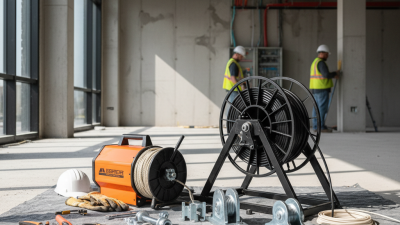
China Top 10 Wire Zip Tie Manufacturers for Global Buyers
Global demand for reliable cable management continues to expand across electrical, automotive, construction, and telecommunications projects. Grand View Research reports steady growth in the global cable ties market, supported by infrastructure investment and rising equipment density. MarketsandMarkets also identifies industrial automation and data centers as important demand drivers. The figures differ between reports. That difference deserves attention.
Wire zip ties may look simple, yet their performance depends on material, tensile strength, locking design, and environmental resistance. Nylon 6/6 remains common, but outdoor applications require stronger ultraviolet protection. A tie that holds neatly in a factory may become brittle beside a hot engine or a sunlit rooftop. Maurus C. Logan, the engineer credited with developing the Ty-Rap, reportedly described the design goal as “a better way to bundle wires.” The principle still matters. Small components can protect large systems.
This guide introduces China’s top 10 wire zip ties manufacturers for global buyers. The evaluation considers product consistency, mold capability, testing procedures, customization, packaging, export experience, and communication quality. It also considers practical details, such as clean edges, stable locking teeth, readable packaging, and cartons that survive long-distance shipping. Certifications should be verified, not merely displayed on a website. Factory visits, sample testing, and batch records can reveal more than polished brochures. No ranking is perfect. Supplier strengths change, and buyer requirements vary. Still, this shortlist offers a useful starting point for procurement teams seeking dependable wire zip ties from China.
What Are Wire Zip Ties and How Are They Used?
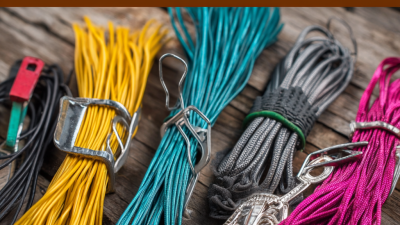
Wire zip ties are fastening tools used to group and secure electrical wires, cables, hoses, or small components. The term can describe nylon cable ties for wire bundles or ties reinforced with metal wire. This difference matters. Nylon versions are lightweight, flexible, and suitable for indoor organization. Stainless steel versions handle heat, vibration, and demanding outdoor conditions more effectively. A secure tie should hold the bundle firmly without crushing insulation or creating sharp pressure points.
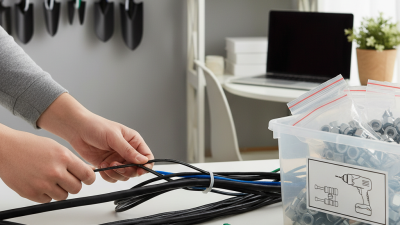
In practical use, an installer gathers cables, threads the tie through its locking head, and pulls it until stable. The bundle should remain neat but not overly tight. Leave enough space for movement and inspection. Wire zip ties help reduce tangling, simplify maintenance, and prevent loose cables from touching moving parts. They are useful in control cabinets, workshops, vehicles, data installations, and household repairs. However, they are not a universal fix. Choosing the wrong material can cause brittleness, loosening, or premature failure. I would also verify temperature, load, length, and exposure conditions before purchasing.
Tips: Match the tie width and tensile strength to the bundle. Check the locking head for smooth engagement. Use UV-resistant material outdoors. Trim excess carefully, because rough edges can scratch hands or nearby insulation. For critical assemblies, inspect ties during routine maintenance. Even a strong tie can fail when installation pressure is uneven.
Wire Zip Tie Sizes and Typical Loop Tensile Strength
Wire zip ties are fastening products used to bundle, secure, and organize cables, wires, hoses, and small components. Tensile strength generally increases with tie width. The values shown are representative commercial ratings aligned with common cable-tie strength classes; actual performance varies by material, design, temperature, and manufacturer.
How to Evaluate Global Wire Zip Tie Manufacturers
China Top 10 Wire Zip Tie Manufacturers for Global Buyers
How to Evaluate Global Wire Zip Tie Manufacturers
Market growth alone does not prove manufacturing quality. Mordor Intelligence estimates the cable ties market at about USD 1.17 billion in 2024, with continued growth through 2030. Use this figure as context, not as a purchasing guarantee.
Begin with material evidence. Ask whether the manufacturer provides resin grades, ultraviolet resistance data, and batch traceability. Nylon 6/6 ties may perform well indoors, but outdoor projects need verified weathering results. Request tensile-test reports based on IEC 62275 or equivalent requirements. Check sample dimensions with calipers, especially head thickness and locking-tooth consistency.
Factory experience matters.
Inspect the injection-molding area, not only the showroom. Look for controlled drying systems, documented mold maintenance, and recorded rejection rates. A reliable supplier should explain how it tests pulling force, aging, temperature resistance, and flame behavior. UL 62275 is useful when your application requires recognized cable-management performance, but certification scope must match the exact product.
Environmental claims deserve careful review. PlasticsEurope reported global plastics production of 400.3 million tonnes in 2022, highlighting the importance of material accountability. Ask for recycled-content percentages, supplier declarations, and packaging records. “Eco-friendly” is too vague.
I would also test several production batches, not just one polished sample. That costs time. It can expose brittle locks, uneven edges, or color variation before shipment. Mistakes happen, and even experienced buyers sometimes trust paperwork too quickly.
China Top 10 Wire Zip Tie Manufacturers for Global Buyers - How to Evaluate Global Wire Zip Tie Manufacturers
Manufacturer evaluation benchmarks for international wire and cable tie procurement
| No. |
Evaluation Dimension |
Recommended Benchmark |
Evidence Global Buyers Should Request |
Importance |
| 1 |
Material Composition |
Virgin nylon 6/6, commonly identified as PA66, for standard cable-tie applications. |
Material declaration, technical data sheet, resin batch traceability and sample testing. |
Critical |
| 2 |
Mechanical Strength |
Minimum loop tensile strength should match the selected size and the buyer’s installation load requirements. |
Size-specific tensile-strength chart, test method, batch inspection records and third-party test reports. |
Critical |
| 3 |
Temperature Performance |
Standard PA66 ties commonly operate around -40°C to +85°C; heat- or cold-resistant grades may provide wider ranges. |
Published operating-temperature range, conditioning procedure and application-specific validation data. |
Critical |
| 4 |
UV and Weather Resistance |
For outdoor use, black UV-stabilized nylon is generally preferred over natural or non-stabilized material. |
UV-aging test results, carbon-black or stabilizer declaration, outdoor-use statement and color-retention data. |
Critical |
| 5 |
Product Standard Compliance |
Products designed or tested in accordance with applicable cable-management requirements, including IEC 62275 where relevant. |
Declaration of conformity, standard edition, test laboratory details and product-level compliance documents. |
Critical |
| 6 |
Flammability and Electrical Safety |
Where required by the application, nylon grades should have a documented flammability classification such as UL 94 V-2 or a higher rating. |
Flammability report, material grade identification, electrical-use limitations and independent laboratory verification. |
High |
| 7 |
Dimensional Consistency |
Length, width, head geometry, locking teeth and insertion performance should remain consistent across production batches. |
Approved drawings, dimensional inspection plan, first-article samples and statistical quality records. |
High |
| 8 |
Quality Management System |
An ISO 9001-based quality system with documented incoming, in-process and final inspections is a practical baseline. |
Current certificate, scope of certification, audit history, corrective-action records and inspection procedures. |
High |
| 9 |
Regulatory and Chemical Documentation |
Export documentation should address applicable requirements such as RoHS and REACH restrictions for the destination market. |
Material compliance declaration, restricted-substance test report, safety data information and country-specific documentation. |
High |
| 10 |
Export Capacity and Supply Reliability |
A qualified supplier should provide stable production capacity, clear lead times, export packaging and traceable lot control. |
Production-capacity statement, lead-time history, packaging specification, pallet plan, order references and business-continuity measures. |
High |
Note: The benchmarks above are general procurement criteria. Actual suitability depends on cable diameter, installation method, load, temperature, UV exposure, chemical environment and destination-market regulations. Buyers should verify current product-specific documents before placing an order.
China’s Top 10 Wire Zip Tie Manufacturers
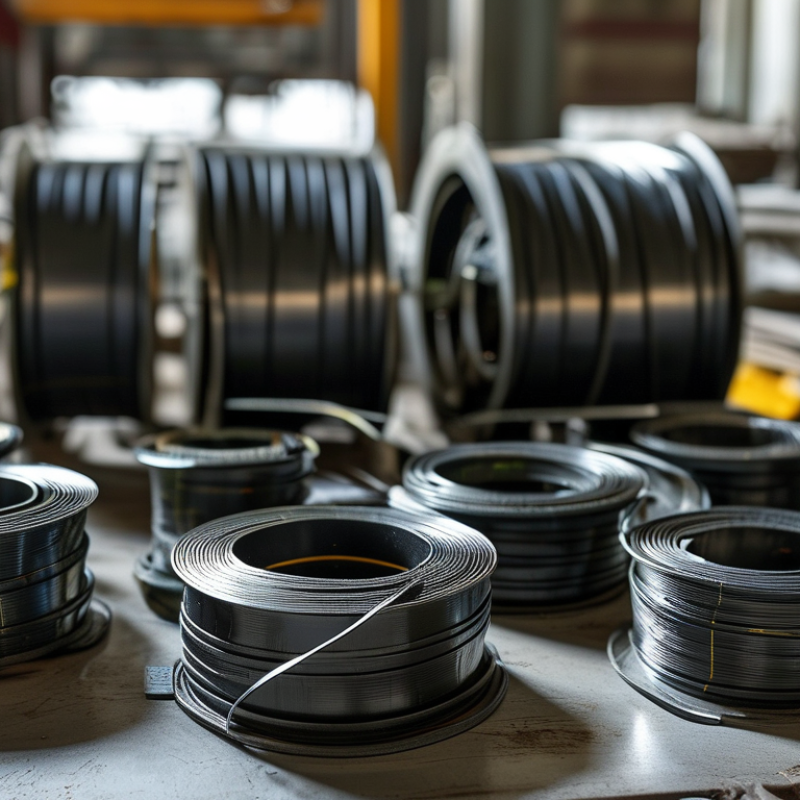
China’s Top 10 Wire Zip Tie Manufacturers are often evaluated by material quality, production control, and export experience. Leading factories usually offer nylon 66 ties with embedded metal wire for stronger bundling. Their production lines should include injection molding, wire forming, trimming, and tensile testing. Reliable manufacturers provide batch records, material certificates, and clear inspection standards. These details matter when ties are used around cables, automotive parts, or outdoor equipment.
A strong supplier can adjust length, width, color, locking strength, and packaging. Buyers should request samples before placing large orders. Test the locking head, wire grip, flexibility, and break resistance by hand and with simple tools. A polished catalog can still hide uneven teeth or brittle plastic. No factory is perfect. Communication speed, replacement policies, and handling of defects reveal practical reliability. Factory audits and third-party inspections add useful confidence, especially for recurring international purchases.
Tips: Compare at least three samples from different manufacturers. Check performance after heat, moisture, and repeated bending. Ask whether the wire remains centered after molding. Confirm carton markings, packing quantity, and shipment documents before production. A small trial order is safer than trusting photographs alone. Even experienced buyers sometimes overlook packaging damage. Inspect the first shipment carefully, then refine the specification.
How to Compare Product Quality, Pricing, and Customization
When comparing China’s top 10 wire zip tie manufacturers, product quality should come before catalog variety. Ask for the resin specification, tensile-strength data, and production-batch reports. Nylon 66 is common, but grade and moisture control affect locking performance. A reliable factory can provide samples, inspection records, and clear test methods. Check the teeth, buckle, and release resistance by hand. Small defects matter.
Pricing needs a wider view than the unit quote. Request costs for tooling, samples, packaging, printing, and shipping separately. Compare the same length, width, color, and material grade across suppliers. A cheaper tie may use weaker material or thinner locking teeth. I once treated a low quote as a bargain; the first sample became brittle after outdoor exposure. That mistake changed my evaluation process.
Customization can include length, width, color, head shape, packaging, and private labeling. Confirm artwork formats and proof approval before mass production. Ask about minimum order quantities and repeat-order consistency. For outdoor use, request UV-resistant material and accelerated aging data. For electrical work, confirm suitable temperature performance and insulation properties. A capable supplier will explain limits instead of promising everything. Some factories respond slowly during sampling, which can signal future communication risks. Keep written specifications, approved samples, and inspection tolerances. That paperwork feels tedious, but it protects the purchasing decision.
How Global Buyers Can Select and Purchase the Right Supplier
Choosing among the China top 10 wire zip tie manufacturers requires more than comparing unit prices. Start with the application: indoor wiring, outdoor exposure, marine humidity, or high-temperature equipment. Ask for material grade, tensile-strength data, coating thickness, operating temperature, and corrosion-test conditions. IEC 62275:2018 provides a useful reference for cable-tie performance and marking requirements.
Quality systems matter, but certificates need verification. The ISO Survey 2022 recorded 1,265,216 ISO 9001 certificates worldwide, showing how common certification has become. It does not guarantee consistent batches. Request the certificate number, issuing body, recent audit scope, and production address. Then inspect samples. Check locking force, edge smoothness, loop alignment, and breakage after heat and salt exposure. Small defects can damage insulation.
Purchase terms should be measured against operational risk. Confirm minimum order quantity, sample fees, tooling ownership, packaging dimensions, lead time, inspection rights, and replacement procedures. A supplier offering the lowest price may use thinner metal or unstable coating thickness. That saving can disappear during installation.
Ask for a pre-shipment inspection report.
The World Bank’s Logistics Performance Index 2023 shows major differences in customs, tracking, and delivery reliability between markets. Therefore, request carton photos, pallet details, HS classification support, and shipment tracking before payment. I would also approve a pilot order before annual contracts. It is slower, perhaps. Yet supplier claims can look stronger on paper than on a warehouse floor.