How to Choose 4 AWG THHN Wire for Global Sourcing?
Global electrification is increasing pressure on buyers to source dependable building wire across borders. The International Energy Agency’s Electricity 2024 report expects global electricity demand to grow by about 4% annually through 2026. That growth affects factories, data centers, renewable projects, and commercial buildings. Cable purchasing is no longer only a price exercise.
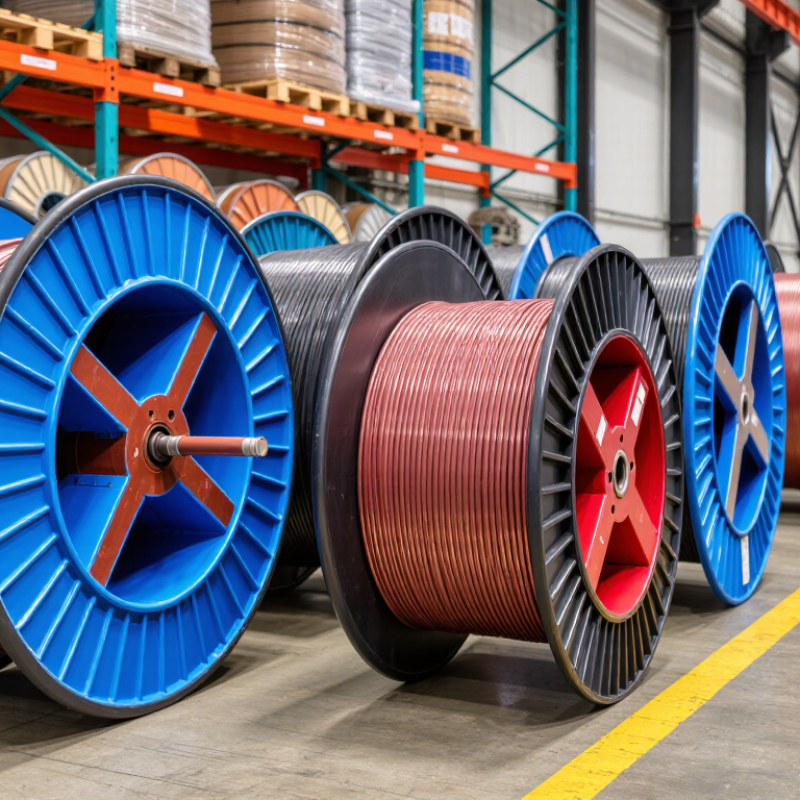
The phrase 4 awg thhn describes a specific U.S.-oriented conductor choice. “4 AWG” identifies the conductor size, while THHN indicates thermoplastic insulation with heat and oil resistance. Many products also carry THWN-2 markings for wet locations. A sourcing team should verify copper composition, stranding, insulation thickness, temperature rating, jacket markings, and reel length. Small details matter. A 500-foot reel can become a costly problem if the actual length, weight, or packaging differs from the purchase order.
UL Standard 83 and the National Electrical Code provide important reference points for many North American projects. However, they do not automatically satisfy every destination market. IEC-based systems may use different conductor classes, voltage descriptions, testing procedures, and metric sizes. The International Copper Study Group’s market reports also show why copper pricing and availability require close monitoring during contract planning. A low quote may hide freight exposure, copper-adjustment clauses, or unsuitable certification.
This guide examines how to compare 4 awg thhn suppliers, documents, and samples before committing globally. It also recognizes an uncomfortable reality: technical paperwork can look complete while one missing test record changes the decision. Experienced buyers still recheck assumptions. That habit protects budgets, schedules, and electrical performance.
Understanding 4 AWG THHN Wire Specifications and Applications
How to Choose 4 AWG THHN Wire for Global Sourcing?
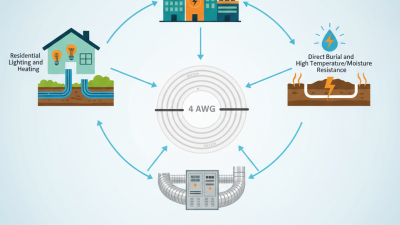
4 AWG THHN wire commonly uses copper conductors with PVC insulation and a nylon jacket. THHN indicates 90°C performance in dry locations and a 600-volt rating. For wet locations, confirm the THWN-2 marking. It supports feeders, industrial panels, motors, and large branch circuits. Under NFPA 70, 2023 Table 310.16, 4 AWG copper has an 85-ampere ampacity at 75°C. Aluminum is typically rated lower, at 65 amperes. Actual capacity changes with ambient temperature, conductor grouping, and terminal ratings.
Details matter.
The International Energy Agency’s Electricity 2024 report forecasts global electricity demand to grow by about 3.4% annually through 2026. This growth increases demand for reliable conductors in commercial buildings, renewable-energy equipment, and distribution upgrades.
For global sourcing, compare ASTM B8 stranding, conductor material, insulation thickness, outer diameter, and resistance values. Also request tests for flame performance, voltage, and thermal aging. Metric and imperial sizes are not interchangeable without engineering review.
A 4 AWG conductor may fit differently across conduit systems. I would not approve a shipment from the gauge label alone. Packaging, batch traceability, and independent test records deserve equal attention. That step is easy to underestimate.
Identifying Voltage, Temperature, and Ampacity Requirements
When globally sourcing 4 AWG THHN wire, verify voltage before comparing prices. A 600-volt marking is not universal approval. Confirm the destination’s electrical code and certification requirements before ordering. NFPA 70, 2023, lists 4 AWG copper at 85 amperes in the 75°C column, under stated conditions. The conductor may carry a 90°C rating, but connected terminals often limit the usable value. That detail is easy to miss.
Temperature changes the calculation. At 30°C ambient, NFPA 70 Table 310.16 shows 70 amperes at 60°C, 85 amperes at 75°C, and 95 amperes at 90°C for 4 AWG copper. Higher ambient temperatures require correction factors. Bundled conductors also need adjustment. A crowded tray can reduce capacity quickly. Do not treat the catalog ampacity as the installation ampacity.
For international purchasing, request test documentation against the applicable wire standard, such as UL 83 or the destination’s recognized equivalent. Check copper material, insulation thickness, conductor stranding, print markings, and temperature classification. Confirm whether the cable is THHN only or dual-rated for wet locations. One overlooked suffix can change approval and application. I would also verify terminal ratings with the installer, because a technically correct wire can still fail the system requirement. Datasheets are useful, but field conditions remain the harder question.
Comparing Conductor Materials, Insulation, and Compliance Standards
How to Choose 4 AWG THHN Wire for Global Sourcing?
Conductor material affects weight, resistance, termination, and landed cost. Copper offers higher conductivity and stronger mechanical performance. Aluminum is lighter and often cheaper, but it needs larger terminals and careful oxide control. The U.S. Geological Survey’s Mineral Commodity Summaries 2024 reported about 22 million metric tons of global mined copper production in 2023. It also reported roughly 70 million metric tons of primary aluminum output. Supply may look secure, yet regional premiums and transport costs can change quickly.
A 4 AWG conductor has an approximate area of 21.15 mm². Do not compare copper and aluminum by diameter alone. Check ampacity, resistance, operating temperature, and terminal compatibility. Insulation matters too. THHN is commonly nylon-jacketed PVC insulation for dry locations, while THWN-2 adds wet-location performance. Verify the exact marking, not just the catalog title. UL 83 is relevant for many North American thermoplastic-insulated wires, while IEC 60228 defines conductor classes used in international specifications.
Compliance is not transferable automatically. A shipment may carry a North American approval but still need local testing, metric documentation, or language-specific labeling. Request test reports, batch traceability, flame ratings, temperature ratings, and conductor resistance data. The U.S. National Electrical Code provides installation rules, but it does not replace destination-country requirements. One practical weakness remains: buyers often approve samples without checking production consistency. That shortcut can fail after copper prices, tooling, or insulation compounds change.