How to Choose the Right Wiring Harness for Your Vehicle?
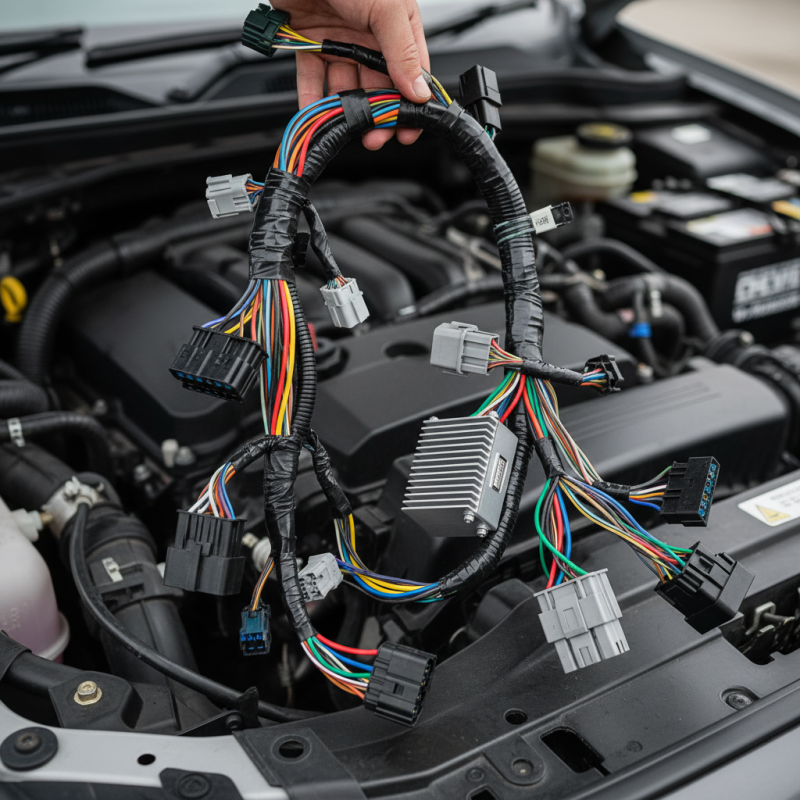
Choosing the right wiring harness for your vehicle is crucial. A wiring harness connects various electrical components, ensuring they work together seamlessly. Without the correct harness, issues may arise, leading to poor performance or safety hazards.
Consider the specific needs of your vehicle. Different models require different harnesses. Check compatibility, as using the wrong wiring harness can lead to problems down the road. It's not just about brand; the specifications must match too.
Think about your installation process. Some harnesses require professional help. Others can be installed at home. Weigh your options carefully, as improper installation could cause damage. Spending time on research now can save you future headaches. The right wiring harness makes all the difference.
Understanding Wiring Harness Basics for Vehicles
Understanding the basics of wiring harnesses is essential for any vehicle owner. A wiring harness acts as a nervous system, connecting various electronic components. It allows power and signals to flow efficiently throughout the vehicle. Incorrect wiring can lead to significant issues, such as malfunctioning lights or even engine failures.
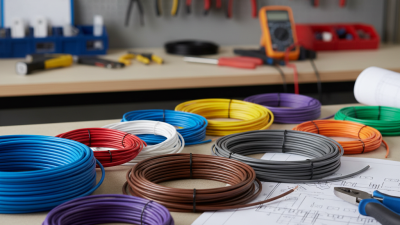
When selecting a wiring harness, consider several factors. The gauge of the wires is crucial. Thicker wires can handle more power, while thinner wires are suitable for lower demands. Pay attention to the connectors too. They should match the vehicle's specifications for a secure fit. An improper connection can lead to short circuits.
Visual inspection of the harness is vital. Look for frayed wires or corrosion. These are signs of wear that could lead to failure. If you find any discrepancies, reflect on whether to repair or replace the harness. Choosing the correct wiring harness is not just about fitting; it's about ensuring reliability and safety in your vehicle's electronics.
How to Choose the Right Wiring Harness for Your Vehicle? - Understanding Wiring Harness Basics for Vehicles
| Aspect |
Description |
Importance |
| Wire Gauge |
The thickness of the wire affects its ability to carry current. |
Critical for performance and preventing overheating. |
| Connector Type |
Different vehicles may require specific connectors for compatibility. |
Essential for ensuring a secure and reliable connection. |
| Length |
The length of the harness should be adequate to reach all necessary components without excess slack. |
Important for installation ease and aesthetic appeal. |
| Material Quality |
High-quality materials can withstand environmental factors. |
Crucial for durability and long-term reliability. |
| Insulation |
Proper insulation protects against shorts and weather conditions. |
Very important to ensure safety and functionality. |
Identifying Your Vehicle's Electrical Needs
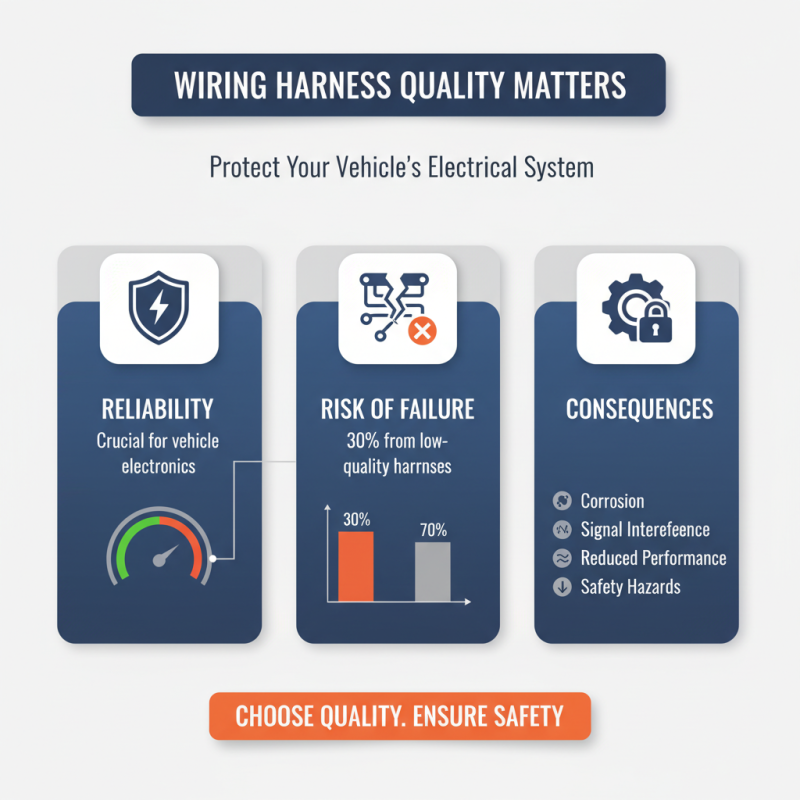
When selecting the right wiring harness for a vehicle, understanding its electrical needs is crucial. Many vehicles today require specific configurations to support their electrical demands. A report by the Automotive Wiring Harness Manufacturers Association indicates that nearly 70% of electrical issues stem from improper wiring harness connections. Knowing the vehicle’s power requirements helps avoid these common pitfalls.
Begin by assessing the total power draw of all electrical components, including lights, audio systems, and any aftermarket installations. An electrical load calculation, using data from industry standards, can clarify if a harness meets this requirement. For example, compact cars typically require harnesses that handle 15-30 amps, while larger vehicles might need those that manage 30-60 amps. This information guides users in avoiding under- or over-rated harnesses, which can lead to malfunction.
Consider also the vehicle's future needs. Trends in automotive technology show an increase in electric features. A forecast by Global Industry Analysts estimates that the automotive wiring harness market will expand significantly by 2025. This growth suggests that many owners may want to upgrade their vehicles' electrical systems later. Choosing a harness with extra capacity now can save time and trouble later on, but requires careful evaluation of both current and future electrical needs.
Electrical Needs of Vehicles by Type
Evaluating Wiring Harness Compatibility with Your Vehicle Model
When selecting a wiring harness, compatibility with your vehicle model is crucial. Many vehicle owners overlook this aspect. However, mismatched harnesses can lead to serious electrical issues. According to industry reports, nearly 30% of aftermarket wiring failures are due to compatibility problems. This underscores the importance of ensuring that the selected harness fits your specific make and model.
Consider the connectors and wiring layout. It’s not just about fitting physically. The pin configuration must match exactly. Any deviations can cause malfunctioning of crucial car systems. Detailed specifications from automotive associations suggest that electrical systems failure often results from incorrect installations. Moreover, do not underestimate the quality of materials used in the wiring harness.
Many consumers assume that all wiring harnesses are similar in quality. This assumption can be misleading and costly. High-quality harnesses often include better insulation and temperature resistance. Yet, adhering to a budget can sway decisions. It’s tempting to choose cheaper options, but these may compromise safety. It's worth investing time to research, especially as subpar wiring can lead to vehicle fires or system failures.
Installing the Wiring Harness: Tips and Best Practices
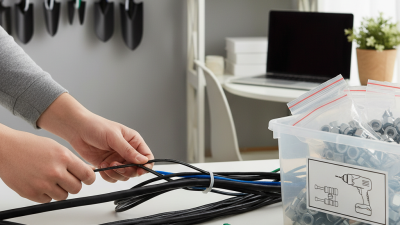
Installing a wiring harness can seem daunting. It requires focus, tools, and a bit of patience. Start by gathering your materials. This ensures you have everything on hand. Organizing your workspace is key. A clean area helps prevent mistakes.
When installing, follow the manufacturer’s instructions closely. Missteps can lead to faulty connections. The wires must be correctly routed to avoid damage. Use zip ties to keep everything neat. This prevents tangles and makes future repairs easier.
Check your connections regularly. A loose wire can cause electrical issues later. Test functions before finalizing the installation. This step saves time and hassle. Pay attention to any unusual signs during testing. Reflection on your process can reveal areas for improvement. Remember, practice makes perfect.