10 Essential Tips for Effective Cable Harness Assembly Techniques?
The art of cable harness assembly is crucial in many industries. Proper techniques can significantly impact both functionality and reliability. However, many fail to grasp its importance. Common pitfalls often arise from inexperience or neglect.
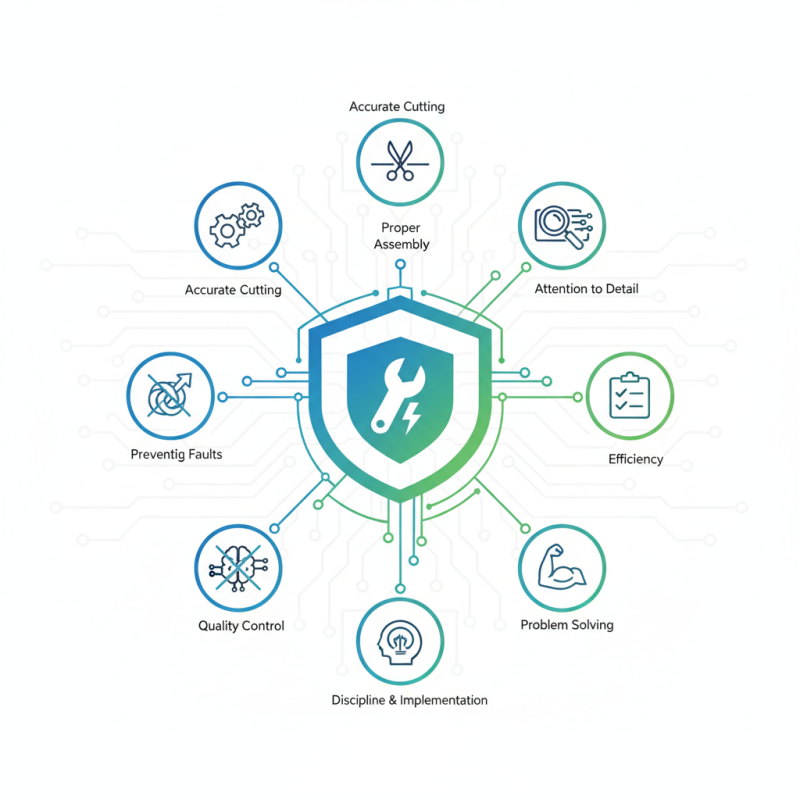
Attention to detail is vital. Every wire must be cut accurately and assembled correctly. Misalignment can lead to faults. It's not just about connecting wires; it's about creating a durable and efficient product. A single oversight can result in costly repairs or failures.
Many professionals recognize the need for improvement. The tips shared in this article serve as a guide. They may seem straightforward, yet their implementation requires discipline. Embracing these techniques ensures a robust cable harness assembly process, ultimately leading to better performance.
Understanding Cable Harness Assembly: An Industry Overview
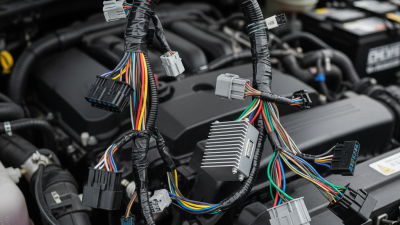
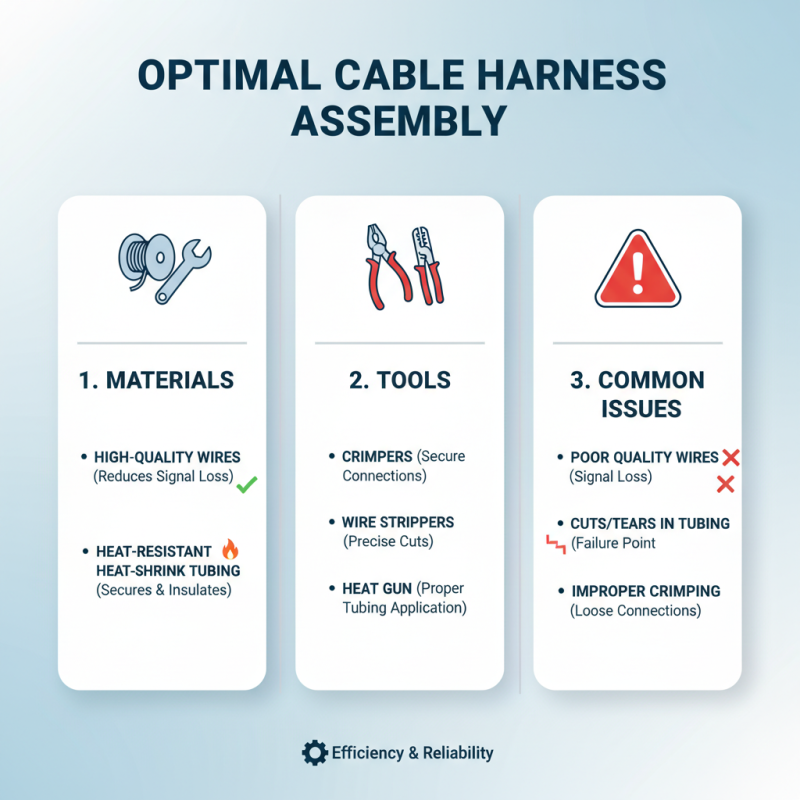
Cable harness assembly is a critical process in many industries. It involves organizing and connecting various electrical wires and connectors into a single unit. This assembly allows for easier installation and maintenance. Proper techniques in cable harness assembly ensure durability and functionality.
Understanding the basics of this process is essential for new technicians. Each step requires precision and attention to detail. Mistakes can lead to significant issues. For example, incorrect wire placements might cause circuit failures. Inspecting each connection is vital. Overlooking minor errors can have serious consequences down the line.
Common challenges in cable harness assembly include managing various wire lengths and types. It's not always straightforward. Some connectors may not fit together as expected. Technicians often find themselves troubleshooting on the fly. This problem-solving aspect can be frustrating but also rewarding. Learning from these challenges improves overall skills in assembly techniques.
10 Essential Tips for Effective Cable Harness Assembly Techniques
Step-by-Step Guide to Designing Cable Harness Layouts
Designing cable harness layouts requires careful consideration and planning. A well-structured layout enhances functionality and minimizes errors. According to a recent industry report, poorly designed cable harnesses can lead to a staggering 30% increase in assembly time. Efficient layouts help streamline the assembly process, saving both time and resources.
When creating a cable harness design, start by mapping the components. Consider the routing of each wire and connector. Misjudgments in placement can affect signal integrity. Data shows that 25% of harness failures come from incorrect layouts. Regularly reviewing and adjusting designs is crucial. Small changes can have a significant impact.
Testing is vital in the design phase. Assemble prototypes and run tests to identify weak points. Many engineers overlook this step, risking costly errors later. Employing CAD software can aid in visualization but may not catch all flaws. Balancing precision with practical experience is essential for effective cable harness assembly techniques.
10 Essential Tips for Effective Cable Harness Assembly Techniques
| Tip Number |
Tip Description |
Benefits |
Best Practices |
| 1 |
Plan Your Layout |
Improves overall efficiency |
Use CAD software for visualization |
| 2 |
Choose the Right Materials |
Enhanced durability and performance |
Consider environmental factors |
| 3 |
Proper Wire Sizing |
Reduces risks of overheating |
Consult electrical specifications |
| 4 |
Label Wires Clearly |
Simplifies troubleshooting |
Use heat shrink labels |
| 5 |
Maintain Consistent Wire Lengths |
Minimizes clutter and confusion |
Measure carefully before cutting |
| 6 |
Use Quality Connectors |
Ensures reliable connections |
Select connectors suitable for application |
| 7 |
Test Harness Before Final Assembly |
Identifies issues early |
Perform continuity tests |
| 8 |
Secure Wiring Properly |
Prevents damage during use |
Use clamps or cable ties |
| 9 |
Optimize Routing |
Lowers strain on cables |
Avoid sharp bends and kinks |
| 10 |
Document the Assembly Process |
Enables future reference |
Create detailed assembly guides |
Inspection and Testing Techniques to Validate Assembly Performance
Inspecting and testing cable harness assemblies are crucial for ensuring performance and safety.
Visual inspections should be the first step. Look for damaged wires or improperly crimped terminals. Check for any signs of wear. This first line of defense is simple yet effective. If problems are spotted, it saves time in the long run.
Performing electrical tests can validate the assembly's functionality. A multimeter can measure continuity and resistance. Low resistance readings indicate good contact, while high readings often signify a problem.
Integrating automated testing can streamline this process. However, not all tests reveal issues. Some faults may only appear under specific conditions. This calls for careful observation and thoughtful refinement of processes.
Incorporating thermal imaging techniques offers another layer of insight. This method detects hot spots that could indicate potential failures. Yet, it's not foolproof and may require supplementary testing.
Each inspection and test should lead to a cycle of reflection and improvement. Embracing minor errors allows teams to uncover hidden weaknesses. Learning from mistakes is what drives excellence in cable harness assembly.