How to Use a Magnetic Wire Puller?

Learning how to use a magnetic wire puller can make concealed-wire work cleaner, faster, and less damaging. The tool uses a magnet, leader, and retrieval point to guide cable through walls, ceilings, or tight cavities. It is especially useful when direct access is limited. Still, it is not a substitute for route planning.

The U.S. Bureau of Labor Statistics projects 11% employment growth for electricians from 2023 to 2033. That growth reflects continued construction, renovation, and system-upgrade demand. NFPA 70, the National Electrical Code, also stresses proper conductor routing, protection, and accessibility. These standards make careful pulling more important than raw speed. A scratched cable jacket can create a hidden problem.

Electrical educator Terry Peterman says, “The right tool reduces risk, but it never replaces good workmanship.” This principle applies directly to a magnetic wire puller. Start by checking the wall cavity, cable path, and nearby metal objects. Move the magnet slowly. Keep the wire aligned. Stop if resistance increases.

Small details matter.

A compass, inspection camera, and protective sleeve can improve control. However, magnetic tools may lose strength through thick materials or around steel framing. That limitation deserves attention. Many beginners pull too hard, expecting the magnet to solve every problem. It will not. A careful method, supported by manufacturer instructions and local electrical requirements, produces safer and more repeatable results.
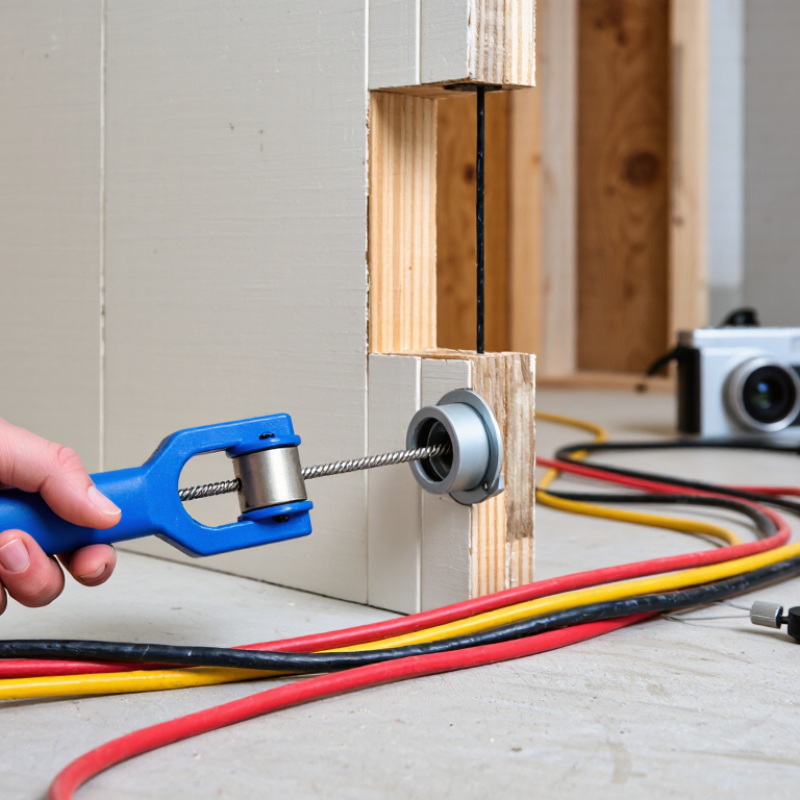
How to Use a Magnetic Wire Puller?

What Is a Magnetic Wire Puller and How Does It Work?

A magnetic wire puller uses magnetic force to guide or retrieve wire inside walls, ceilings, and narrow cavities. Most models have an internal magnet, an external guide, and a flexible leader. The magnet moves along the surface while attracting the hidden leader. Copper does not respond strongly to magnets, so the wire usually needs a steel eyelet or pull line. That detail is easy to miss.

The method suits short, clear pathways. It becomes less reliable through thick insulation, metal studs, foil-backed boards, or crowded ducts. A field test matters more than the package description. According to NFPA’s Electrical Fires report, electrical distribution and lighting equipment caused an average of about 35,000 U.S. home fires annually from 2012 to 2016. The report also recorded roughly 470 civilian deaths each year. A puller cannot prevent electrical faults, but it can reduce unnecessary wall openings when used carefully. Do not force it. Excessive pressure may snag insulation or damage existing cables.

Tips: Turn off power before opening any cavity. Check both sides of the wall. Keep the magnet away from sensitive electronic devices. Mark the route with painter’s tape. If the pull becomes weak, stop and inspect the path. Magnetic tools are helpful, not foolproof. Experienced installers still confirm the cable route with visual access or a suitable detector. Slight uncertainty is safer than a confident mistake.

How to Use a Magnetic Wire Puller? - What Is a Magnetic Wire Puller and How Does It Work?

Data Dimension Typical Information How It Affects Use
Primary purpose Locating, guiding, or retrieving a ferromagnetic wire, cable end, or pull chain through an enclosed route. It is useful where direct access is limited, such as inside walls, ceilings, ducts, conduit, or enclosed machinery.
Main operating principle Magnetic attraction transfers movement from an accessible magnet or detector to a ferromagnetic target. The magnetic field must be strong enough to overcome distance, enclosure material, friction, and the target’s weight.
Magnetic target materials Commonly attracted materials include iron and many steels. Copper, aluminum, brass, and most plastics are not ferromagnetic. A magnetic puller cannot reliably attract a nonmagnetic copper or aluminum conductor unless a separate ferromagnetic attachment is used.
Typical tool arrangement A permanent magnet or magnetic probe, a target magnet or steel attachment, and a flexible line, cable, or pull cord. The line should be secured to the target so that it does not separate when passing bends or narrow openings.
Common access depth Performance is generally strongest at short distances; practical working distance depends on magnet size, barrier thickness, and alignment. Test the magnetic connection near the surface before attempting a long or obstructed pull.
Suitable pathways Straight cavities, conduit, cable trays, hollow doors, suspended ceilings, and accessible wall sections. Sharp bends, dense insulation, metal barriers, and crowded pathways reduce movement and magnetic coupling.
Movement method Move the external magnet slowly while the internal target follows the magnetic field. Slow, controlled movement helps prevent the target from becoming detached or caught on an obstruction.
Pull direction The strongest connection is normally achieved when the magnets are closely aligned and facing each other. Sideways movement or excessive separation can significantly reduce the usable pulling force.
Recommended line type A smooth, flexible, low-stretch pull cord or fish tape suited to the route and expected load. The line should be strong enough for the target and light enough to avoid unnecessary friction.
Best preparation step Inspect the route, remove loose obstructions, attach the line securely, and test the magnet through the barrier. Preparation reduces the risk of losing the target inside a cavity or damaging an existing cable.

Step-by-Step Operating Guide

Step Action Practical Check
1 Confirm the route Check for sharp edges, restricted openings, existing wires, pipes, and other objects that may obstruct the pull.
2 Attach the pull line Use a secure knot, loop, or connector and verify that it remains compact enough to pass through the pathway.
3 Place the magnetic target Position the target at the entry point and keep it away from unnecessary metal objects that could divert the magnetic field.
4 Move the external magnet Guide the magnet gradually along the intended route while maintaining close contact with the surface where possible.
5 Monitor resistance If resistance increases, stop and reposition the magnet rather than pulling forcefully.
6 Retrieve and inspect Once the target reaches the destination, secure the line and inspect it for damage before using it to pull a heavier cable.
Safety and limitations: De-energize electrical circuits before working near wiring. Keep strong magnets away from magnetic storage media, sensitive instruments, implanted medical devices, and equipment that may be affected by magnetic fields. Do not use excessive force if the target becomes stuck.

What Tools and Safety Measures Are Needed?

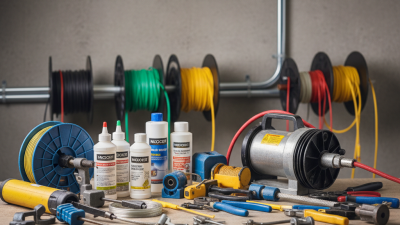
A magnetic wire puller helps guide cable through conduit, wall cavities, and tight service spaces. Use it with a fish tape, cable lubricant, insulated hand tools, and a properly rated voltage tester. A flashlight and a small inspection mirror also help reveal sharp edges or blocked passages. Choose a puller that matches the cable weight and conduit size. An undersized tool can separate under tension.

Safety starts before the magnet enters the pathway. De-energize every possible circuit, apply lockout and tagout procedures, then verify the absence of voltage. Test the meter on a known live source before testing, and repeat the test afterward. The magnet does not make nearby wiring safe. Wear safety glasses, cut-resistant gloves, and suitable footwear. Keep hands away from pinch points near conduit ends. OSHA’s electrical work-practice requirements emphasize de-energizing exposed circuits whenever practical.

The Electrical Safety Foundation International, using Bureau of Labor Statistics data, reported 126 workplace electrical fatalities and 2,220 nonfatal electrical injuries in 2020. Those numbers make routine preparation less optional. Pull steadily, not violently, and assign one person to feed the cable. Stop if resistance rises suddenly. Check for a crushed conduit, a snagged connector, or excessive bends. I sometimes find that a slower pull prevents more damage than extra force. That small judgment still needs improvement. Record the route, cable type, and test results before closing the wall.

How to Prepare the Conduit and Electrical Wires

Before using a magnetic wire puller, prepare the conduit carefully. Turn off the circuit and verify that no voltage remains with a properly rated tester. Inspect the conduit for crushed sections, sharp edges, moisture, or blocked fittings. Remove burrs with a suitable tool, then install protective bushings where wires could contact metal. A small obstruction can stop the magnetic head and damage insulation.

Measure the route and check the permitted conduit fill, conductor size, and bending radius against local electrical requirements. Cut the wires slightly longer than the final route, allowing room for termination. Keep each conductor straight, clean, and free from twists. Label both ends before pulling. It saves confusion later. I prefer taping the wire ends into a smooth, narrow bundle, but I once made the bundle too bulky and had to rebuild it.

Apply only a compatible wire-pulling lubricant when friction feels excessive. Do not use household oils, because they may weaken insulation or leave residue. Feed the prepared bundle slowly while guiding the magnetic puller from the opposite side. Avoid sudden force. Stop if the pull becomes unusually tight, since excessive tension can stretch conductors or scrape their jackets. Leave enough slack at boxes and panels for secure connections. Recheck the insulation after pulling, especially near bends and entry points. The setup may look ready, yet one missed burr can create trouble months later.

How to Guide and Retrieve the Magnetic Puller

A magnetic wire puller works best when the pathway is clear, dry, and easy to inspect. Before guiding it, confirm that the conduit or wall cavity is free from energized wiring. Remove sharp debris that could catch the puller or damage its line. A small flashlight helps reveal bends, blocked sections, and unexpected openings.

Feed the magnetic puller slowly through the access point. Keep the attached wire straight, but do not stretch it tightly. From the opposite side, move the retrieval magnet along the surface in short, steady passes. You may feel a light tug when both magnets align. Stop there. Mark that position with tape. Then guide the puller toward the exit using gentle movements. Strong, sudden pulls can separate the connection or wedge the tool behind a bend.

I have found that patience saves more time than force. When the magnet loses contact, reverse it slightly and try a wider search pattern. For long runs, a second person can watch the wire and communicate small changes. Avoid dragging the retrieval magnet across rough metal surfaces, since friction reduces control. I once pulled too quickly and had to reopen the access point, a preventable mistake. After the puller emerges, secure the wire before removing the magnet. Check the insulation for cuts, crushed areas, or scraped sections before continuing the installation.

How to Secure, Test, and Troubleshoot the Wire Installation

A magnetic wire puller guides cable through conduit, but secure installation starts before pulling. De-energize the circuit, verify isolation, and inspect the conduit for sharp edges, water, or crushed sections. Attach the pulling eye firmly, then add approved pulling lubricant when friction rises. Keep the cable aligned with the conduit entrance. Do not exceed the cable’s pulling tension or the tool’s rated capacity. A loose connection can separate inside the wall.

Testing catches mistakes that visual checks miss. After pulling, inspect the jacket for cuts, flattened areas, or exposed conductors. A qualified electrician should perform continuity and insulation-resistance tests with suitable instruments. Test each conductor, conductor-to-conductor, and conductor-to-ground. Record the readings, temperature, cable length, and test instrument. NFPA’s Home Structure Fires report estimated 35,150 annual U.S. home fires involving electrical distribution and lighting equipment during 2015–2019. Small installation shortcuts deserve serious attention.

Troubleshooting should follow the evidence. If continuity fails, check the termination first, then inspect the cable path for damage. If insulation resistance is low, disconnect both ends and test sections separately. A strong magnetic pull can hide excessive force. I once focused on the tool and ignored conduit alignment; that was the wrong assumption. BLS reported 126 U.S. workplace fatalities involving electricity in 2020. Keep hands clear, use controlled tension, and stop when resistance changes suddenly. Never test an energized circuit casually.