What is the Purpose of Wire Ties in Everyday Use?
Wire ties, often seen as simple tools, play a crucial role in our daily lives. According to industry expert John Stevens, "Wire ties are the unsung heroes of organization and security." These versatile items are essential in various applications, from bundling cables to securing packaging. Their durability and adaptability make them a common choice in numerous projects.
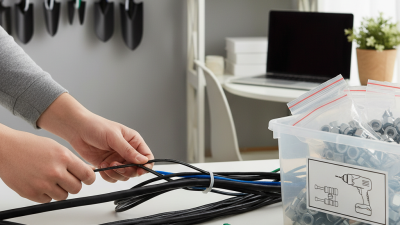
In homes and businesses, wire ties help keep spaces tidy. They effortlessly hold cables together, preventing tangling and confusion. However, many people overlook their importance. Some might even misuse them, leading to potential hazards. A properly applied wire tie can prevent accidents, yet a poorly placed one can cause problems.
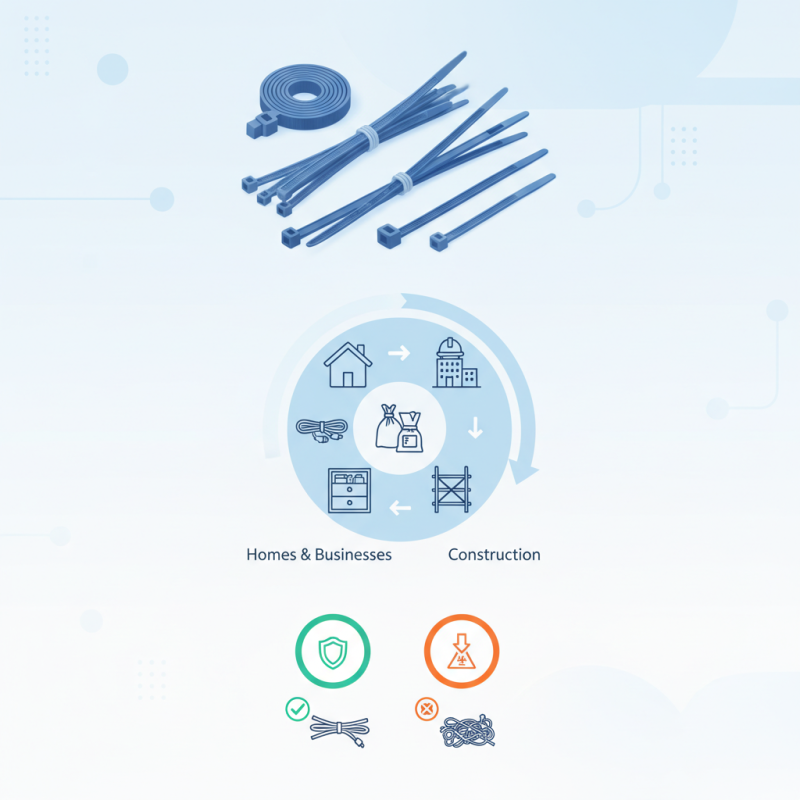
In the world of construction, wire ties are invaluable. They ensure stability and support in various structures. When used correctly, they enhance safety. Unfortunately, some may not fully appreciate their value. This oversight can result in ineffective usage or even risks. Wire ties deserve recognition for their versatile applications and contributions to proper organization.
The History and Evolution of Wire Ties in Various Industries
Wire ties have a fascinating history that spans many industries. Initially created for agricultural use, wire ties helped farmers bundle hay and secure loads. Over time, their practicality extended beyond the farm. In construction, workers found they could tie rebar efficiently with these handy tools. The lightweight design made them easily portable, allowing for quick applications.
As industries evolved, so did wire ties. In electronics, the demand for wiring organization birthed specialized ties. These ties keep wires neatly bundled, reducing clutter. Different materials emerged, accommodating various needs. However, not all ties provide the same level of durability. Some may fray or break when under tension. This inconsistency often leads to frustration, prompting users to seek better options.
Moreover, wire ties have not escaped criticism. Environmental concerns have arisen with their widespread use. Many ties are made from materials that do not decompose easily. This situation prompts reflection on sustainable practices. While wire ties are indispensable in many settings, the quest for eco-friendliness in their production continues. Ultimately, their evolution showcases the balance between practicality and responsibility.
What is the Purpose of Wire Ties in Everyday Use? - The History and Evolution of Wire Ties in Various Industries
| Industry |
Purpose of Wire Ties |
Materials Used |
Historical Significance |
| Construction |
Securing rebar and other materials |
Steel, plastic-coated wire |
Used since the early 1900s to enhance structural integrity |
| Electrical |
Bundling wires and cables |
PVC, nylon |
Evolved with the rise of electrical systems in the 20th century |
| Agriculture |
Securing plant growth structures |
Galvanized wire, biodegradable options |
Historically used in vine training since ancient farming |
| Packaging |
Sealing bags and bundles |
Aluminum, steel |
Became popular in the mid-20th century for efficient packaging |
Common Types of Wire Ties and Their Specific Applications
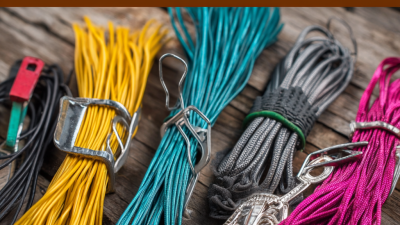
Wire ties are essential tools in various applications, offering flexibility and strength. Common types include nylon ties, metal wire ties, and reusable ties. Each has its specific purpose across many industries.
Nylon wire ties are prevalent in electrical and construction sectors. They can withstand temperatures from -40°F to 185°F (-40°C to 85°C). A report by the American National Standards Institute (ANSI) indicates that approximately 80% of electrical installations depend on nylon ties for cable organization. Their design allows for easy installation without the need for additional tools.
Metal wire ties, on the other hand, excel in applications requiring high strength. They are often used in agriculture for bundling plants. According to a study by the Agricultural Extension Service, metal wire ties can secure up to 50 pounds of weight. Reusable ties offer a sustainable option for professionals. Yet, their durability depends on proper usage and often needs monitoring to prevent failure. Not all ties perform equally. Identifying the correct type for each task is crucial for efficiency and safety.
Common Types of Wire Ties and Their Applications
This chart illustrates the percentage of different types of wire ties used in everyday applications. Cable ties dominate due to their versatility, while twist ties and reusable ties follow closely. Understanding these common wire ties and their specific applications helps in selecting the appropriate type for various tasks.
Key Benefits of Using Wire Ties in Daily Life: Safety and Organization
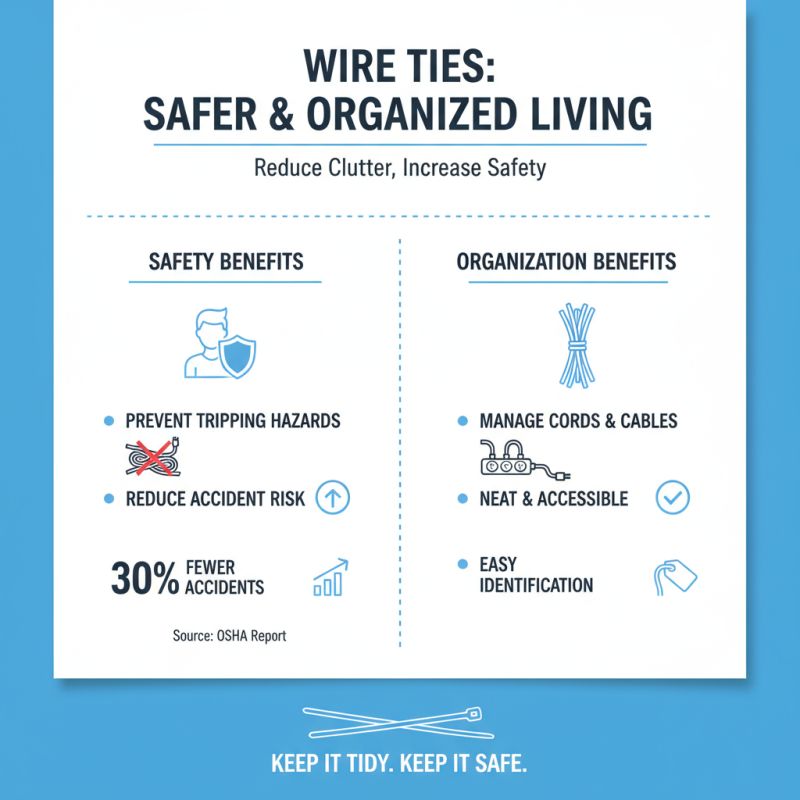
Wire ties play a significant role in promoting safety and organization in our daily lives. According to a report by the Organization for Safety and Health Administration, clutter increases the risk of accidents by 30%. Using wire ties can help manage cords, cables, and other items, reducing this risk. They keep everything neat and accessible, making environments safer.
Consider these tips: secure loose cables to avoid tripping hazards. You can bundle them together tightly with wire ties. This simple act can prevent workplace accidents. In the kitchen, use wire ties to organize utensils or keep bags sealed. It enhances safety by preventing spills and messes.
However, it's essential to reflect on how we use wire ties. Overusing them can lead to frustration if ties are too tight or if we misuse them. Sometimes, a simple rubber band can do the job just as effectively. Remember that while wire ties are helpful, they shouldn't dominate your organization strategy. Use them wisely, and enjoy a safer space.
Industry Statistics on Wire Tie Usage and Environmental Impact
Wire ties are simple yet essential tools used in various industries and households. They play a vital role in securing and organizing cables and materials. According to recent industry statistics, billions of wire ties are produced each year. They are found in construction, electronics, and even gardening. Their versatility makes them a go-to solution for many applications.
However, wire tie usage comes with environmental concerns. Many of these ties are made from plastic, which is not biodegradable. This can lead to significant waste accumulation. While they are useful, we must reflect on their long-term impact. An estimated 1 in 5 wire ties end up in landfills, contributing to the plastic pollution crisis. Recycling options are limited, and awareness is crucial.
The production rates of wire ties can also be alarming. With over 10,000 tons generated annually, we should consider their life cycle. Can we think of more sustainable alternatives? Rethinking how we use wire ties is vital. Addressing these impacts could lead to better solutions in the future. The need for change is pressing.
Best Practices for Selecting and Utilizing Wire Ties Effectively
When considering wire ties, it’s vital to choose wisely and use them effectively. Wire ties are versatile tools, often employed in various applications, from organizing cables to bundling items. According to a recent industry report, proper wire tie usage can increase efficiency by up to 30% in maintenance and storage tasks.
**Tips:** Always select a wire tie with the right strength and material for your needs. For lighter applications, a thin plastic tie works well. For heavier tasks, opt for stronger metal ties. Ensure the length is sufficient to secure your items tightly.
When using wire ties, avoid over-tightening. This can damage any sensitive materials. Consider the environment too. Some ties may not perform well in extreme temperatures. A report from the National Safety Council notes that improper use of wire ties can lead to 15% of workplace incidents related to organization.
**Tips:** Inspect your wire ties regularly. Look for signs of wear or damage. Incorrect or worn ties are prone to failure. If you're unsure about your choice, consult the specifications available on product packaging. Always have a mix of types on hand for various tasks.