2026 How to Choose the Right Fire Alarm Cable?
Choosing the right fire alarm cable is not a minor purchasing decision. It can influence signal integrity, system survival, and emergency response.
Fire-protection engineer Bill Koffel is widely associated with a practical principle: “A fire alarm system is only as reliable as its weakest connection.” That idea applies directly to cable selection. A beautifully designed control panel cannot compensate for unsuitable insulation, poor shielding, or damaged conductors. The cable must match the system voltage, circuit type, installation environment, and required fire-resistance rating. Local codes and approved installation methods also matter. They are not optional details.
This guide explains how to compare fire alarm cable before it reaches the jobsite. It considers conductor size, insulation materials, temperature ratings, shielding, plenum requirements, and resistance to smoke or flame. A cable running through a dry ceiling space faces different conditions from one installed in a damp plant room. Small labels can hide major differences. Read them carefully.
Experience also teaches an uncomfortable lesson: the cheapest cable may become the most expensive choice. A rushed specification can create testing failures, replacement work, or unreliable notification circuits. Still, no single cable suits every project. That is where many guides oversimplify the decision. The correct answer depends on the building, equipment, route, and governing requirements. We may also overlook installation quality. Even excellent fire alarm cable can fail when sharply bent, poorly supported, or terminated carelessly. This article offers a clear, practical path toward a safer and more defensible selection.
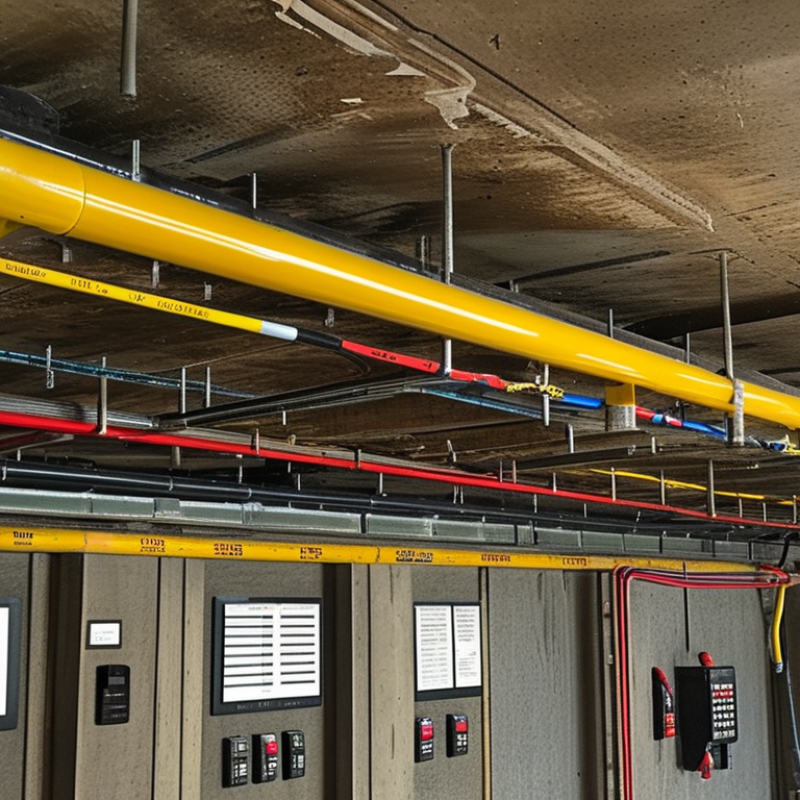
Understanding Fire Alarm Cable Types and Their Functions
2026 How to Choose the Right Fire Alarm Cable?
Understanding Fire Alarm Cable Types and Their Functions
Fire alarm cable carries more than signals. It supports detection, notification, supervision, and emergency communication. The National Fire Protection Association reported 1,388,500 U.S. fires in 2023. That figure makes cable reliability a design priority, not a minor specification.
FPL cable suits general-purpose fire alarm wiring in permitted spaces. FPLR cable adds vertical flame and smoke protection for riser pathways. FPLP cable is designed for plenum spaces, where air circulation can spread smoke quickly. Addressable systems commonly use twisted pairs for device communication. Shielding can reduce electrical interference, but it must match the system design. Wrong assumptions create expensive failures.
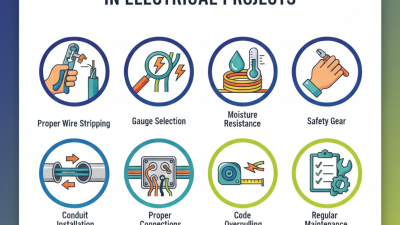
Circuit integrity matters when wiring must operate during fire exposure. The 2022 edition of NFPA 72 emphasizes pathway survivability and documented performance. Some projects therefore require fire-resistive cable assemblies, protected pathways, or both. Cable ratings also depend on NEC Article 760, local codes, temperature, voltage, and installation space. A cable may look suitable while failing the actual pathway requirement. That is easy to miss. Check the listing, conductor size, jacket rating, bend radius, and termination method before installation. UL and IEC test documents can support verification, but they do not replace project-specific engineering review. In practice, the neatest cable route is not always the safest one. The decision deserves a second look.
2026 How to Choose the Right Fire Alarm Cable?
Understanding fire alarm cable types, circuit functions, and installation requirements.
FPL
General-purpose power-limited fire alarm cable for exposed or concealed spaces where plenum and riser ratings are not required.
FPLR
Riser-rated fire alarm cable intended for vertical runs between floors, subject to local code and installation conditions.
FPLP
Plenum-rated cable for air-handling spaces, where stricter smoke and flame requirements generally apply.
Shielded Cable
Used when the fire alarm manufacturer or site conditions require improved resistance to electromagnetic interference.
The chart shows typical nominal circuit voltages found in fire alarm systems. Initiating-device circuits, signaling-line circuits, and notification-appliance circuits commonly operate at 24 VDC, while voice evacuation circuits may use 25 V or 70.7 V audio systems. Always verify conductor size, insulation rating, shielding, circuit style, voltage drop, and local fire-code requirements before selecting a cable.
Assessing Building Requirements and Fire Protection Standards
2026 How to Choose the Right Fire Alarm Cable?
Choosing fire alarm cable begins with the building, not the product catalogue. Review occupancy, floor area, evacuation strategy, and cable routes. A hospital may need stronger circuit survivability than a small office. High-rise buildings often require vertical riser cables with suitable fire-resistance ratings. Check whether cables pass through plenums, damp areas, kitchens, or unheated spaces. Temperature, smoke exposure, mechanical damage, and electromagnetic interference can affect performance. In practice, installers should compare cable construction with the project’s approved design and local fire protection requirements. Relevant rules may include NFPA 72, EN-based requirements, or national equivalents. Always confirm the current edition with the authority having jurisdiction.
Tips: Match the cable rating to the complete system. Check conductor size, shielding, insulation, voltage drop, and maximum circuit length. Ask for test reports covering flame spread, smoke, and circuit integrity. Confirm compatibility with detectors, notification appliances, control panels, and emergency power. Do not assume a cable is suitable because it worked on another project.
A reliable selection process also includes installation conditions. Separate fire alarm wiring from power circuits where required. Protect exposed routes with conduit, supports, or barriers. Label every circuit clearly near junction points. A common mistake is selecting a fire-rated cable but using unsuitable connectors or weak supports. The cable may survive, yet the installation may fail. I would also question vague compliance claims without traceable documentation. Good decisions need drawings, verified calculations, competent installers, and recorded inspection results. Some projects reveal gaps only during testing, which is uncomfortable but valuable.
Comparing Cable Ratings, Materials, and Installation Environments
2026 How to Choose the Right Fire Alarm Cable?
Choosing fire alarm cable starts with its rating, not its price. Check the required fire-resistance, flame-spread, smoke, and circuit-integrity classifications. These requirements vary by local code and building type. Plenum spaces may need low-smoke, flame-resistant cable. Vertical shafts often require riser-rated construction. Protected pathways may demand enhanced circuit survival. Always confirm the rating with the project authority and the current installation standard.
Material selection affects both performance and installation quality. Copper conductors usually provide stable conductivity and reliable termination. Solid conductors suit fixed routes, while stranded conductors can handle repeated movement more easily. Insulation may use PVC, low-smoke compounds, or halogen-free materials. Each option behaves differently during fire exposure. Halogen-free cable can reduce corrosive gases, but it may cost more and feel less flexible. Small details matter.
The installation environment changes the decision again. Consider moisture, sunlight, electromagnetic interference, vibration, and temperature swings. A damp basement needs stronger protection than a dry office ceiling. Shielded cable can help near motors or power equipment, but poor grounding may reduce its value. Keep fire alarm wiring separated from power circuits. I have seen tidy drawings fail during installation because cable routes were too crowded. A perfect specification is not enough. Installer feedback still matters. Test samples before large orders when the environment is unusual.
Selecting the Correct Cable Size, Shielding, and Fire Performance
2026 How to Choose the Right Fire Alarm Cable?
Selecting the correct fire alarm cable starts with conductor size. Cable length, alarm voltage, device load, and allowable voltage drop all matter. A small cable may work near the control panel but fail at a distant sounder. Begin with the manufacturer’s load data and the project’s approved calculations. A long corridor is not electrically simple. For extended runs, calculate resistance carefully. Do not guess.
Shielding helps reduce interference from motors, elevators, and power cables. It is useful in electrically noisy areas, but unnecessary shielding can increase cost and installation effort. Use twisted conductors when the system design requires them. Ground the shield according to the system instructions, usually at one designated point. Multiple grounding points may create unwanted noise. This detail is often missed.
Fire performance requires more than a red outer jacket. Check whether the cable is approved for plenum, riser, or general-purpose spaces. Critical circuits may require fire-resistive or circuit-integrity cable that continues operating during a fire. Review certification documents, temperature ratings, smoke characteristics, and local fire-code requirements. I once selected a cable based only on conductor size; the jacket rating was unsuitable for the installation area. That mistake changed the specification. The authority having jurisdiction and qualified fire-alarm professionals should verify the final choice.
Verifying Compliance, Compatibility, and Long-Term Reliability
2026 How to Choose the Right Fire Alarm Cable?
A fire alarm cable should meet the required safety classification for its installation area. Check certification marks, temperature ratings, smoke performance, and flame resistance before comparing prices. Requirements can vary by building type and location. Confirm details with qualified inspectors and current local standards. A product sheet alone may not prove complete compliance.
Compatibility matters at every connection point. Verify conductor size, insulation type, shielding, voltage rating, and terminal suitability. Check whether the cable fits conduits, trays, junction boxes, and detection equipment. In practice, small mismatches can cause difficult testing later. I once assumed a cable would fit an existing pathway, but its thicker jacket created installation problems. That mistake was avoidable.
Tips: Request test reports and traceable batch information. Inspect the cable surface for cuts, flattening, or moisture damage. Keep installation records, including routing and test results. Choose construction materials that tolerate heat, vibration, and expected moisture. Review the system after renovation, because new walls or equipment can change cable conditions. Do not rely on appearance alone. Long-term reliability depends on correct storage, careful pulling, secure terminations, and scheduled testing. One overlooked detail can weaken an otherwise compliant installation.