2026 Top 4 AWG THHN Wire Suppliers for Global Buyers
Global electrical infrastructure is expanding, but procurement decisions are becoming less forgiving. Grand View Research valued the global wire and cable market at approximately USD 216 billion in 2023, with continued growth expected through 2030. Its analysis points to grid upgrades, renewable projects, construction, and industrial automation as major demand drivers. These trends create opportunities for dependable 4 awg thhn suppliers.
The details matter. A 4 awg thhn conductor may appear similar across catalogs, yet copper quality, insulation consistency, certification, packaging, and factory traceability can vary considerably. Buyers should verify the UL 83 listing, conductor material, temperature rating, voltage rating, and applicable installation requirements. The National Electrical Code, NFPA 70, remains essential for selecting and installing listed conductors in the United States. International projects may also require additional national standards or client specifications.
Electrical-code educator Mike Holt offers a useful reminder: “The installation method matters as much as the wire size.” That principle deserves attention. A supplier can provide technically correct cable, but poor documentation can still delay customs clearance, inspection, or commissioning. Small details become expensive quickly.
This guide evaluates four 4 awg thhn suppliers for global buyers in 2026. It considers manufacturing experience, certifications, export capability, technical support, lead times, and evidence of quality control. Market reports are not perfectly consistent, and supplier data can be incomplete. That limitation matters. Readers should confirm current certificates, test reports, conductor dimensions, and regional compliance before placing an order. Sources include Grand View Research’s Wire and Cable Market report and NFPA 70, National Electrical Code, 2023 edition.
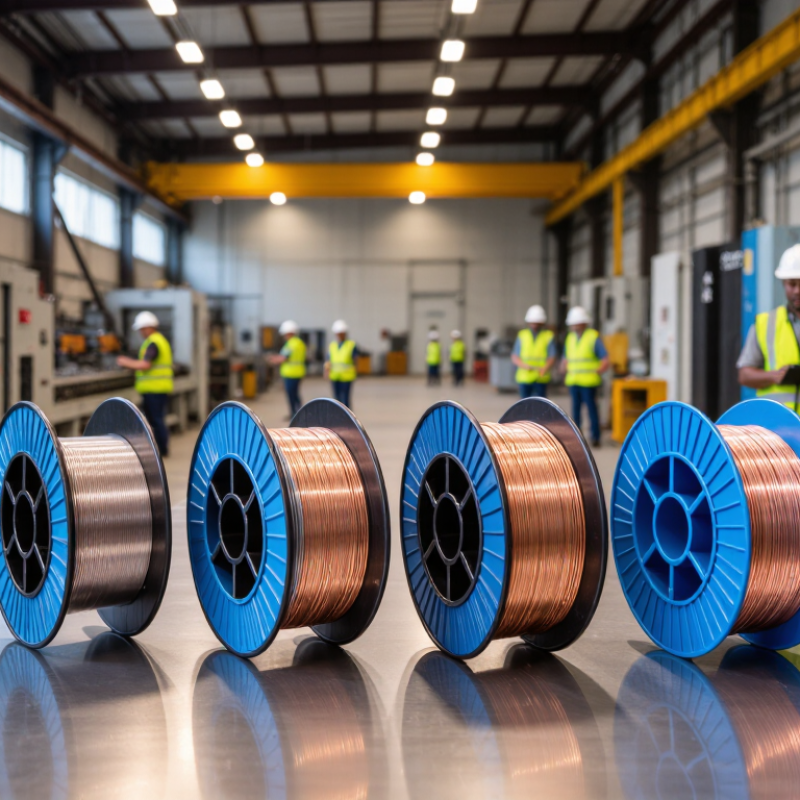
4 AWG THHN/THHN-2: 21.15 mm², 600 V, and 90°C Insulation Ratings
4 AWG THHN/THHN-2 cable uses a 21.15 mm² copper conductor and a 600 V insulation system. Its 90°C rating supports demanding circuit designs, but only under stated installation conditions. NFPA 70 (2023), Table 310.16, lists 95 A for 4 AWG copper at 90°C. The 75°C column lists 85 A, which often controls equipment connections. That difference matters.
THHN is rated for 90°C in dry locations. THHN-2 also carries a 90°C wet-location rating when marked for dual use, such as THWN-2. UL 83 sets key construction and performance requirements for these thermoplastic-insulated wires. Global buyers should verify conductor material, stranding, insulation thickness, jacket markings, and test documentation. A printed rating is not enough. Installation temperature, conduit fill, ambient heat, and terminal limits can reduce allowable ampacity. I have seen purchasing teams focus on size and voltage while overlooking wet-location approval. That shortcut can create costly rework.
Tips: Request the certificate, batch test report, and full marking photo before shipment. Check whether the supplier states copper or aluminum clearly. Confirm the 90°C rating applies to both wet and dry locations. Use the 90°C value for correction calculations, not automatically for final equipment termination. Local electrical rules may differ from NFPA 70, so a qualified engineer should review the installation.
2026 Top 4 AWG THHN Wire Suppliers for Global Buyers
4 AWG THHN/THWN-2: 21.15 mm², 600 V, and 90°C insulation ratings
Conductor Size
4 AWG / 21.15 mm²
Voltage Rating
600 V
THHN Rating
90°C dry
THWN-2 Rating
90°C wet or dry
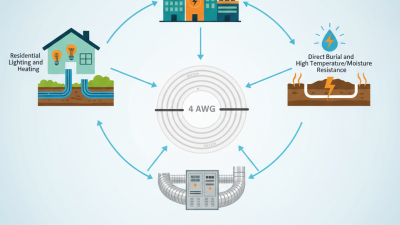
The chart shows the published copper ampacity benchmarks for 4 AWG conductors at 60°C, 75°C, and 90°C column ratings. The 90°C insulation rating is used for temperature adjustment and correction, while the final allowable ampacity can be limited by terminals, installation conditions, and applicable electrical codes. Values are based on NEC Table 310.16 assumptions.
Southwire: UL 83 Listings, 85 A NEC Ampacity, and Export Readiness
For global buyers, 4 AWG copper THHN wire needs documented performance, not attractive catalog language. The 2023 National Electrical Code, Table 310.16, lists an 85-ampacity rating at 75°C for 4 AWG copper conductors. That figure assumes suitable installation conditions. Raceway fill, ambient temperature, terminal ratings, and conductor count can reduce the usable capacity. Always verify the engineering calculation.
UL 83 covers thermoplastic-insulated wires and cables, including construction, insulation, marking, and performance requirements. Buyers should request a current listing record, factory test reports, and production-lot traceability. Export readiness also requires clear reel labels, metric and imperial dimensions, voltage identification, and packing that protects insulation during ocean transport. U.S. Census Bureau trade data and UN Comtrade records show substantial cross-border movement of insulated electrical conductors, but trade volume does not prove technical compliance. A certificate alone is not enough. I have seen paperwork arrive before the physical inspection, which creates avoidable delays. Check destination rules, customs descriptions, and local electrical codes before shipment. Small labeling errors can become expensive.
Prysmian: Global Certifications, 600 V Product Range, and Traceability
For global buyers, a reliable 4 AWG THHN supplier must provide more than a competitive quotation. The cable should carry recognized certifications, including UL 83 and CSA C22.2 No. 75, with clear production records. A 600 V THHN/THWN-2 range supports commercial panels, industrial feeders, and dry or wet locations. Product selection still requires care.
Industry demand is becoming more documentation-driven. The International Energy Agency’s Electricity 2024 report forecasts global electricity demand growth of about 3.4% annually through 2026. This growth increases pressure on distributors to source consistent conductor sizes, insulation performance, and delivery records. For each coil, buyers should request batch numbers, copper test results, insulation data, and certificate references. QR-based tracking is useful, but it is not perfect.
A mature supplier can connect the finished wire to its raw-material lot, extrusion line, inspection date, and shipment destination. That detail helps during customs checks, site audits, and technical claims. Some suppliers provide only a certificate PDF. That may be insufficient. Independent laboratory reports and routine dimensional tests offer stronger evidence. Buyers should also verify temperature ratings, jacket markings, packaging labels, and regional approval status before ordering large volumes. Small inconsistencies can become expensive on a long installation.
Nexans: Copper Quality, 90°C THHN-2 Options, and International Logistics
For global buyers, 4 AWG THHN wire demands more than a competitive quotation. Copper consistency matters. The USGS Mineral Commodity Summaries 2024 estimated global mined copper output at about 22 million metric tons in 2023. That scale hides quality differences between production lots. Buyers should request conductor resistance at 20°C, strand construction, insulation thickness, and batch traceability. Small deviations can complicate pulling and termination.
THHN-2 insulation is rated for 90°C in dry and wet locations under UL 83. However, installation rules still control usable ampacity. NFPA 70, 2023 edition, lists 4 AWG copper at 95 amperes in the 90°C column, but terminal ratings and adjustment factors may reduce that value. Check the entire circuit. Not only the cable label. A supplier should provide clear test reports, compliant markings, and stable copper sourcing.
International logistics can quietly damage a good specification. Moisture-resistant wrapping, strong wooden drums, accurate meter markings, and photographed loading records reduce disputes. The World Bank’s 2023 Logistics Performance Index used 4,090 assessments across 139 countries, highlighting reliability and shipment timeliness as practical trade concerns. Port delays remain possible. They should be priced into planning. A certificate alone is not proof of field performance; independent inspection before shipment may be worthwhile, especially for long-distance projects.
Encore Wire: U.S. Manufacturing, 85 A Sizing, and Buyer Due Diligence
For global buyers, 4 AWG THHN wire requires more than a low quoted price.
U.S. manufacturing can improve traceability, batch control, and delivery documentation. The U.S. Census Bureau’s Annual Survey of Manufactures tracks electrical equipment production as a major industrial category, but buyers still need factory-level evidence. Request the manufacturing address, production date, lot number, and certificate of conformance. A polished website is not proof.
Ampacity deserves careful review.
NFPA 70, 2023 edition, Table 310.16 lists 85 amperes for 4 AWG copper conductors at 75°C. The 90°C column lists 95 amperes, but correction factors and terminal ratings may reduce the usable value. Insulation temperature is not the same as permitted circuit capacity. That mistake is common. Verify conductor material, insulation marking, voltage rating, and ambient conditions before approving a design. UL 83 requirements also support checks for thermoplastic-insulated wires, including construction and performance testing.
A reliable supplier should provide recent test reports, dimensional data, and consistent packaging photos.
Ask whether samples came from normal production. They sometimes do not. Compare conductor resistance with the applicable specification, then inspect reel labels against shipping documents. The International Copper Study Group’s market reports show how exposed copper supply remains to mining, refining, and regional logistics changes. Buyers should therefore review copper sourcing, inventory coverage, and lead-time history. One missing document can delay customs clearance or field acceptance. Supplier evaluation should be practical, repeatable, and slightly skeptical.