Choosing a reliable 4 awg thhn wire supplier requires more than comparing prices on a product page. Global buyers need consistent copper quality, accurate insulation specifications, dependable packaging, and clear technical documentation. This guide examines ten suppliers through practical criteria, including manufacturing experience, export capability, production capacity, testing procedures, and customer support.
The evaluation considers whether suppliers can provide traceable certificates, relevant safety documentation, and stable performance across repeated orders. Details matter. A properly labeled spool, readable footage markings, and moisture-resistant packaging can prevent costly delays at a construction site or distribution warehouse. We also consider delivery schedules, minimum order quantities, customization options, and communication during international purchasing.
No supplier is perfect. Some may offer competitive pricing but limited regional support. Others may provide strong certifications while requiring longer lead times. These differences deserve careful review. Buyer requirements also vary by project, voltage system, installation environment, and destination-market standards. The following selection is intended as a practical starting point, not a substitute for independent verification. Before placing an order, confirm conductor material, insulation rating, color availability, test reports, and applicable approval requirements directly with the supplier. Reliable sourcing depends on evidence, not impressive claims.
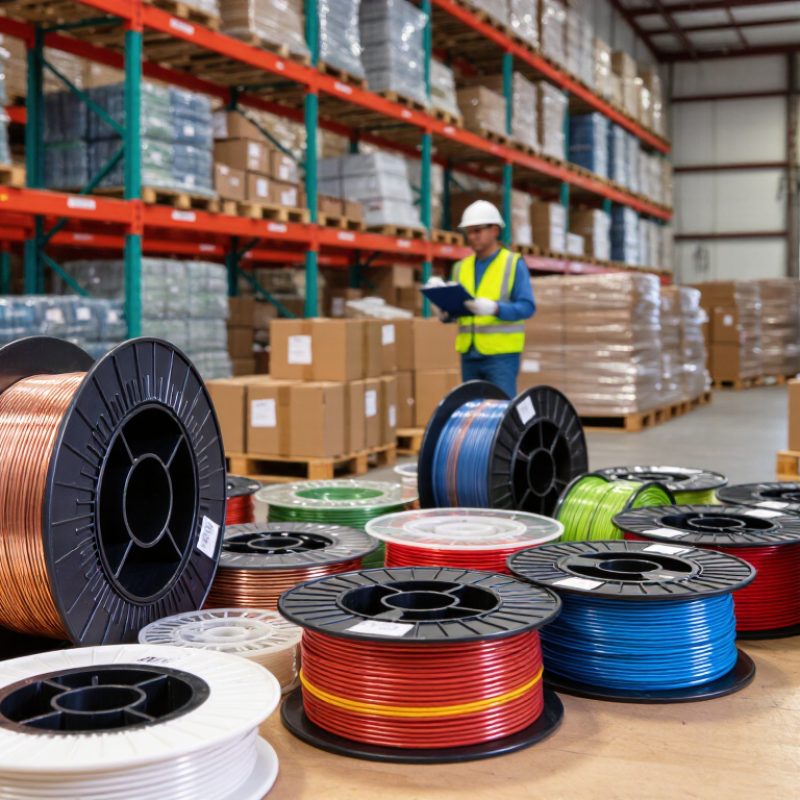
4 AWG THHN wire is a large electrical conductor designed for demanding power distribution. The “4 AWG” designation describes its conductor size. THHN identifies thermoplastic insulation with a heat-resistant nylon jacket.
Most 4 AWG THHN wire uses stranded copper or aluminum conductors. Stranding improves flexibility during conduit installation. Copper offers strong conductivity and easier termination. Aluminum can reduce weight and material cost, but connections require careful preparation. The wire commonly carries power through commercial buildings, industrial panels, feeders, motor circuits, and large equipment. It is often installed inside conduit, raceways, or cable assemblies. Dry locations are its typical application.
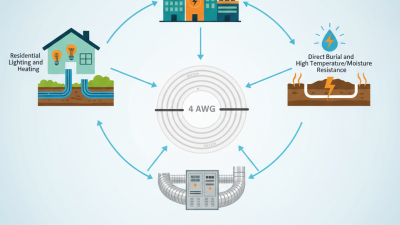
Check the marking carefully. Many products also carry a THWN-2 rating for wet locations. That broader rating may support outdoor conduit runs, but direct burial is not automatically permitted. Installation depends on conductor material, insulation temperature, ambient heat, conduit fill, and local electrical rules. A qualified electrician should confirm ampacity before purchase.
Global buyers should request test reports, batch traceability, conductor composition, and clear metric conversions. Packaging also matters. Long coils need strong moisture protection and readable labels. A supplier may quote an attractive price, yet inconsistent stranding can slow installation. I have seen specifications look complete while omitting jacket thickness. That detail deserves another review. Four AWG is powerful, but it is not a universal answer. Proper sizing still begins with the actual load.
Top 10 4 AWG THHN Wire Suppliers for Global Buyers
Key Standards and Specifications Global Buyers Should Check
Global electricity demand is expanding. The International Energy Agency’s Electricity 2024 report forecasts average annual growth of about 3.4% through 2026. That growth increases demand for dependable building wire, but buyers should verify specifications before comparing supplier prices.
A 4 AWG copper conductor has a nominal area of 21.15 mm². Confirm this conversion on the datasheet. The conductor should reference ASTM B3 for annealed copper and ASTM B8 for concentric stranding. IEC 60228 may also apply when projects require metric conductor classes. Check whether the wire is solid or stranded, bare copper or plated, and class-rated for installation flexibility.
THHN insulation commonly carries a 90°C dry-location rating and a 600-volt rating. Do not guess. THHN alone does not confirm wet-location suitability. Look for a clear THWN-2 marking when moisture exposure is possible. Ampacity must follow the applicable electrical code, conductor count, ambient temperature, and terminal limitations. NFPA 70 tables provide baseline values, but field derating can reduce allowable current. A supplier should provide test reports, batch traceability, jacket markings, and certificates matching the destination market. RoHS declarations may matter for restricted-substance requirements. A polished certificate is not enough. Compare the certificate number with the actual reel label, because small documentation gaps can create costly installation delays.
Top 10 4 AWG THHN Wire Suppliers for Global Buyers
When evaluating 4 AWG THHN wire suppliers, begin with product identity. Confirm the conductor metal, stranding, insulation thickness, jacket color, and temperature rating. A reliable supplier should provide a clear technical datasheet, not only attractive photographs. Ask whether the wire meets the standards required in your destination market, such as applicable ASTM, UL, or CSA requirements. Request current certificates and verify their scope.
Ask for recent batch records and traceability details. These should connect the finished coil to raw conductor, insulation materials, and test results. Important tests may include conductor resistance, insulation thickness, voltage withstand, and dimensional checks. Ask for a sample before placing a large order. Test it for flexibility, stripping quality, printing clarity, and measured diameter. Details matter.
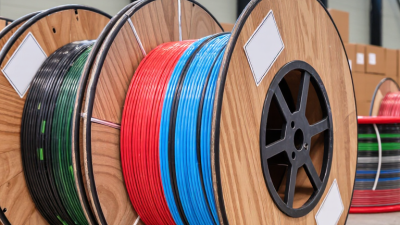
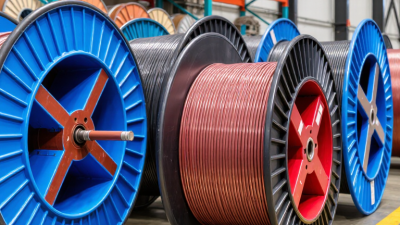
Supplier evaluation also includes service performance. Compare minimum order quantities, production capacity, lead times, packaging strength, and export documentation. Wooden drums or reinforced cartons should protect coils from moisture and crushing during long transport. Request references from buyers with similar technical needs. A low price may hide inconsistent copper quality or weak lot control. That risk is easy to underestimate. I would also ask how the supplier handles failed inspections, delayed shipments, and corrective actions. Their answer often reveals more than a sales presentation. Test before scaling.
Recommended procurement weighting for global buyers
The weighting reflects common technical, compliance, and international procurement priorities. Buyers should verify UL 83 compliance, ASTM conductor requirements, 600 V rating, 90°C dry-location temperature rating, conductor material, ampacity, test reports, packaging, lead time, and export documentation before selecting a supplier. For reference, 4 AWG copper has a cross-sectional area of approximately 21.15 mm² and an NEC 75°C ampacity of 85 A when applicable conditions are met.
For international purchasing, the top 10 4 AWG THHN wire suppliers should be judged by evidence, not catalog size. The IEA’s Electricity 2024 report expects global electricity demand to grow by more than 4% in 2024 and 2025. That growth increases demand for reliable building wire, especially in industrial, commercial, and renewable-energy projects.
Check the details closely. A qualified supplier should provide conductor material, strand construction, insulation thickness, temperature rating, and batch test records. Confirm compliance with applicable standards, such as UL 83, ASTM requirements, or the destination country’s certification rules. Copper weight matters. So does consistency. A heavier-looking coil is not proof of quality.
Ask each supplier for a recent certificate of conformity, sample photographs, packing dimensions, and traceability information. International buyers should also compare minimum order quantities, lead times, port options, and insurance terms. The World Bank’s Commodity Markets Outlook has repeatedly shown that metal prices can shift sharply, so fixed quotations may need clear validity periods. This is often overlooked.
A practical top-ten review can score suppliers across technical compliance, production capacity, export experience, documentation, and after-sales response. Request one sample first. Test it independently when the project is critical. Supplier websites can look polished. Documents deserve more trust. My own caution is simple: even a technically compliant wire may be unsuitable if its markings, packaging, or certification do not match local inspection requirements.
| Rank | Anonymous Supplier Profile | Typical Supply Model | 4 AWG Conductor Specification | Insulation and Ratings | Relevant Standards | Common Export Packaging | Documents to Request |
|---|---|---|---|---|---|---|---|
| 1 | UL-listed North American distributor | Stock-based purchasing with cut-length and full-reel options | Copper conductor; nominal cross-sectional area 21.15 mm² | THHN: 600 V, 90°C maximum in dry locations; wet rating depends on the product marking | UL 83; ASTM B3 or ASTM B8; NFPA 70 where applicable | Wooden reels, returnable reels, or moisture-resistant cartons | UL file or listing evidence, certificate of conformity, reel labels, test report |
| 2 | Factory-direct copper wire exporter | Container-volume orders with negotiated production schedules | Annealed copper, concentric-lay stranded construction commonly used for flexible installation | Black or other standard colors; 600 V class when marked and certified accordingly | ASTM B8 for stranded copper; UL 83 for listed thermoplastic-insulated wire | Fumigated wooden reels with edge protection and seaworthy wrapping | Material certificate, routine test results, packing list, commercial invoice, country of origin |
| 3 | Private-label contract manufacturer | Custom printing, color coding, and packaging under buyer specifications | 4 AWG copper, generally identified by AWG size and conductor construction on the jacket | THHN/THWN-2 dual rating only when both designations appear on the cable marking | UL 83; ASTM B8; applicable national electrical installation code | Custom-length reels, labeled cartons, barcode labels, and palletized shipments | Approved artwork, marking sample, inspection plan, certificate of conformity |
| 4 | Industrial electrical wholesaler | Multi-project purchasing with mixed electrical-product consolidation | Copper conductor with 4 AWG designation; verify actual strand count and outside diameter | THHN 90°C dry rating; voltage rating normally 600 V for compliant products | UL 83 and applicable distributor quality-control requirements | Standard reels, pull boxes, or retail-ready cartons | Product data sheet, traceability information, invoice, packing list, inspection record |
| 5 | International project-supply specialist | Scheduled deliveries aligned with infrastructure and construction milestones | Nominal 21.15 mm² copper conductor; ampacity must be calculated for the installation conditions | 90°C dry rating for THHN; final ampacity is limited by terminations and code requirements | NFPA 70, UL 83, ASTM B8, and project-specific specifications | Numbered reels with moisture barriers, shock protection, and container lashing | Inspection and test plan, factory test report, delivery schedule, HS classification details |
| 6 | Electrical distribution center with regional warehouses | Shorter domestic or regional fulfillment from stocked inventory | Solid or stranded copper options; stranded construction is common for larger building-wire sizes | Confirm THHN, THWN, or THWN-2 marking before use in wet locations | UL 83; ASTM B3 for annealed copper; ASTM B8 for concentric-lay stranded copper | Warehouse reels, cut-length coils, or boxed lengths | Current stock confirmation, lot traceability, product marking photographs, delivery terms |
| 7 | Renewable-energy and utility procurement supplier | Bulk procurement for commercial, utility, and equipment installations | Copper 4 AWG building wire; verify compatibility with terminals, raceways, and conduit fill | THHN is not automatically suitable for all outdoor or direct-burial applications | UL 83 and project installation code; use THWN-2 or another marked product where required | Heavy-duty reels, covered pallets, and UV-resistant outer wrapping | Environmental suitability statement, product certification, batch test report, packing records |
| 8 | OEM wire and cable producer | Engineered orders with controlled conductor, insulation, and marking specifications | Copper purity, strand construction, conductor diameter, and resistance should be specified in the purchase order | Standard 600 V THHN construction when manufactured and marked to the applicable listing requirements | UL 83, ASTM B3, ASTM B8, and buyer-approved technical specifications | Engineered reels with serialized labels and production-lot identification | Dimensional report, conductor resistance data, insulation test results, process-control records |
| 9 | Import-export sourcing consolidator | Combines cable orders from different production lots or factories | 4 AWG must be verified by marking, conductor measurement, and certificate review | Do not accept a generic “600 V cable” description without THHN and applicable listing details | UL 83 and the standards stated on the product marking and certificate | Mixed-container loading with individual reel identification and moisture protection | Factory identity disclosure, lot separation, certificates, inspection photos, shipping documents |
| 10 | Customs-compliant global cable vendor | Cross-border purchasing with export documentation and freight coordination | Copper 4 AWG building wire; conductor area is approximately 21.15 mm² | THHN 600 V and 90°C dry rating when correctly marked; wet-location use requires the appropriate wet rating | UL 83; ASTM B3 or ASTM B8; destination-country import and electrical requirements | Export-grade reels, palletization, container blocking, and water-resistant wrapping | Commercial invoice, packing list, certificate of origin, HS code confirmation, conformity documents |
Technical note: Ampacity, permissible installation locations, conduit fill, voltage drop, and termination temperature must be verified against the applicable electrical code and project requirements. A typical 4 AWG copper conductor has an area of approximately 21.15 mm²; final product dimensions and ratings must be confirmed from the supplier’s current datasheet and cable marking.
Top 10 4 AWG THHN Wire Suppliers for Global Buyers
Comparing ten suppliers requires more than checking the lowest quotation. Ask for copper weight, conductor diameter, insulation thickness, reel length, and production lead time. A low price can hide shorter reels or higher freight costs. Calculate the landed cost, including packaging, insurance, customs charges, and delivery to your warehouse. I once overlooked pallet dimensions, which increased shipping expenses noticeably. That mistake changed the ranking.
Certification should match the destination market and project specifications. Request current test reports, certificates of conformity, and traceability records for each batch. Verify markings, temperature ratings, voltage ratings, and applicable standards such as UL 83 or CSA requirements. Do not accept a certificate image without checking its scope and validity. Some suppliers provide excellent documents, but their testing schedule may not match the shipment date.
Shipping performance deserves practical questions. Can the supplier provide production photos, packing details, and a realistic dispatch date? Confirm whether reels are protected against moisture, crushing, and rough handling. Support also matters after payment. Reliable suppliers answer technical questions clearly, share drawings quickly, and explain claims procedures before problems occur. Compare response times, sample policies, replacement terms, and communication quality. Personal contact helps, but written records remain essential. Not every supplier will satisfy every criterion, so use a weighted scorecard and review weak assumptions before placing a large order.